In the beginning, there was metal. Then came software. Now, it’s intelligence.
IT vendors never just sold technology — they defined the rhythm of every decade.
The 1970s – When Computers Still Breathed
You could hear them work. The deep hum of fans, the click of magnetic tapes, the faint smell of ozone in the air. In the 1970s, computing power was something physical, almost alive. Machines filled entire rooms and consumed more electricity than a small village. IBM ruled it all, controlling more than seventy percent of the global computer market. When people said “computer,” they meant IBM.
But cracks began to appear in the empire. In university labs, engineers started experimenting with smaller, more flexible systems. Digital Equipment Corporation and Hewlett-Packard entered the stage, making computing more accessible. Still, technology was tangible – made of steel, copper, and cables. It looked and sounded industrial.
The 1980s – The Moment Everything Connected
And then, suddenly, machines began to talk. The 1980s were the decade of connection. Ethernet standards from Xerox, Intel, and DEC made communication possible. In 1984, Cisco shipped its first router, and green LEDs began to flicker in data centers like tiny stars. “For the first time, we could see data moving,” recalls a former network engineer.
Within a few years, computers that once stood alone became part of living, breathing systems. Companies like 3Com, Novell, and Cisco turned networks into the new arteries of business. Those who were online thrived. Those who weren’t disappeared.
The 1990s – The Decade of Awakening
The internet opened the doors, and with it came the first intrusions. Security wasn’t part of the design — until disaster struck. A single worm or virus could paralyze entire companies.
In 1994, Check Point introduced the first stateful inspection firewall — a small technical term that marked a massive shift. Cisco, Juniper, and Check Point built an entire industry around the idea of trust. “We learned the hard way that nobody cares about security until they get hurt,” said one administrator years later.
By the late 1990s, firewalls were everywhere, as essential as locks on doors. IDC valued the market at over one billion dollars, and the cybersecurity era had officially begun.
The 2000s – When Service Became the Product
After the dot-com crash, the lesson was clear: hardware could be replaced, but trust could not. Companies didn’t want to own machines anymore; they wanted outcomes.
HP merged with Compaq. Dell doubled down on direct sales. IBM sold its PC division to Lenovo and reinvented itself as a service powerhouse. “Hardware was no longer the core value,” a Forrester analyst recalled. “Availability was.”
Customers stopped buying boxes and started buying uptime. Contracts replaced components, and service-level agreements became the new currency. The vendors that adapted survived. The rest became history.
The 2010s – The Cloud Consumes Everything
Then came the cloud – and it changed everything again. Amazon Web Services lit the fuse in 2006, and within a few years, the entire industry was airborne. Microsoft reinvented itself under Satya Nadella, shifting from licenses to subscriptions. Cisco launched Meraki. Palo Alto Networks introduced the next-generation firewall. Fortinet built its Security Fabric.
By 2019, Gartner estimated that more than eighty percent of enterprises had adopted hybrid cloud models. Vendors were no longer just suppliers; they were architects, building ecosystems where innovation never stopped.
The 2020s – When Machines Start to Take Responsibility
Today, vendors don’t sell boxes or licenses. They sell trust.
AI-driven systems detect anomalies before users notice. They heal themselves, reroute workloads, and optimize energy use in real time. Cisco’s ThousandEyes, Fortinet’s AI Ops, and Microsoft’s Copilot aren’t just tools – they’re the early signs of autonomous infrastructure.
But with intelligence comes opacity. “We can’t blindly trust the black box,” warns a senior security architect at a European integrator. “Whoever controls the algorithm controls the decision.”
From Machines to Intelligence
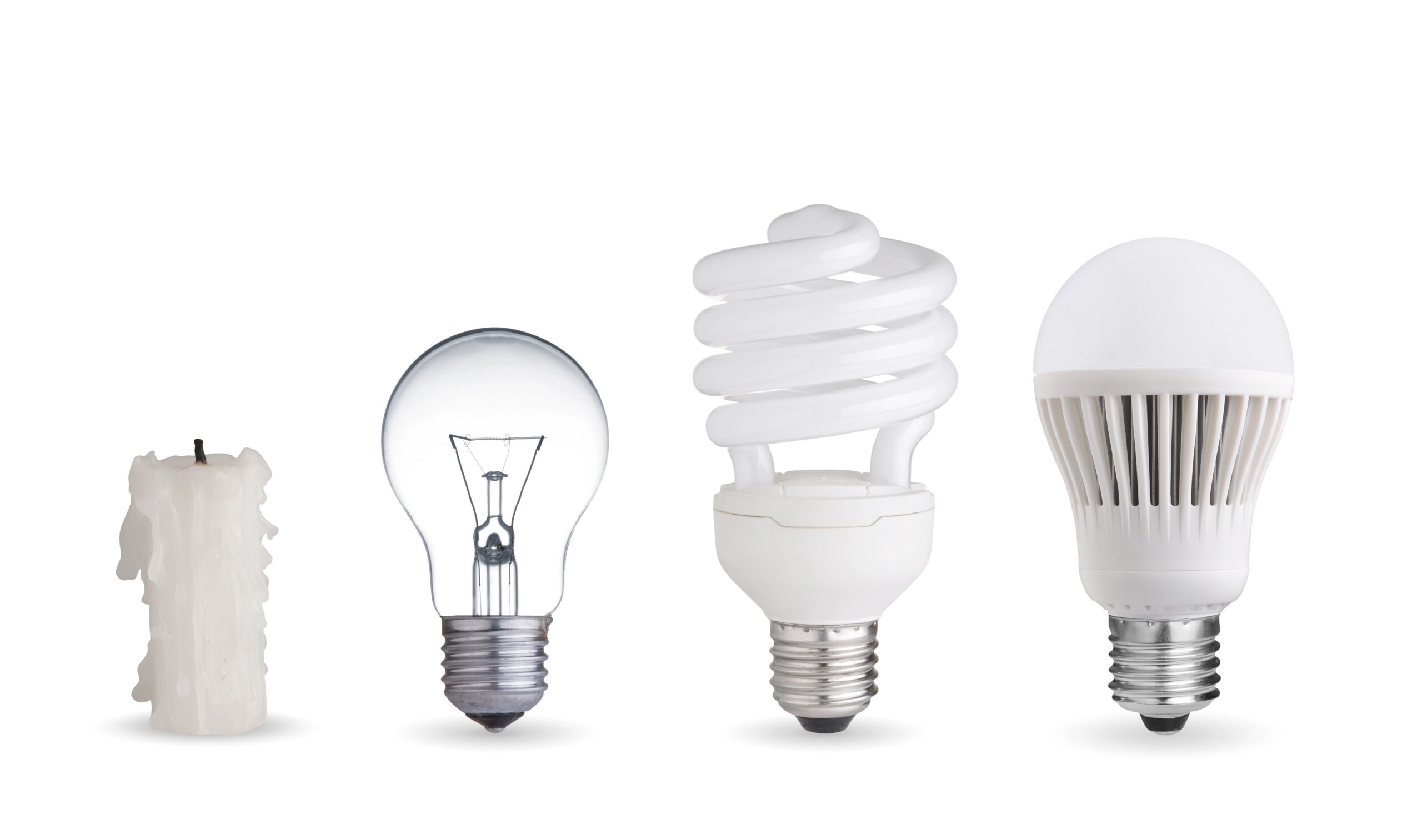
Each decade tells its own story. The 70s built, the 80s connected, the 90s protected, the 2000s serviced, the 2010s integrated, and the 2020s automated. Some giants adapted – IBM, HP, Cisco, Microsoft. Others vanished – DEC, Sun Microsystems, Nortel.
Now the question has changed. It’s no longer who builds the network, but who owns the intelligence that runs it. Artificial intelligence, quantum computing, and zero-trust architectures are redefining what “vendor” even means.
The IT industry began with steel and silicon. It evolved through code and cloud. What comes next may not even be visible – but like always, it will be built by those who understand that the invisible layer is the one that keeps the world running.