For years, artificial intelligence in cybersecurity was primarily seen as a tool. It helped analysts process logs faster, identify suspicious patterns, and automate repetitive tasks

For years, artificial intelligence in cybersecurity was primarily seen as a tool. It helped analysts process logs faster, identify suspicious patterns, and automate repetitive tasks

A widely used Python package on PyPI with more than 1.1 million monthly downloads was briefly turned into a delivery channel for malware, highlighting once

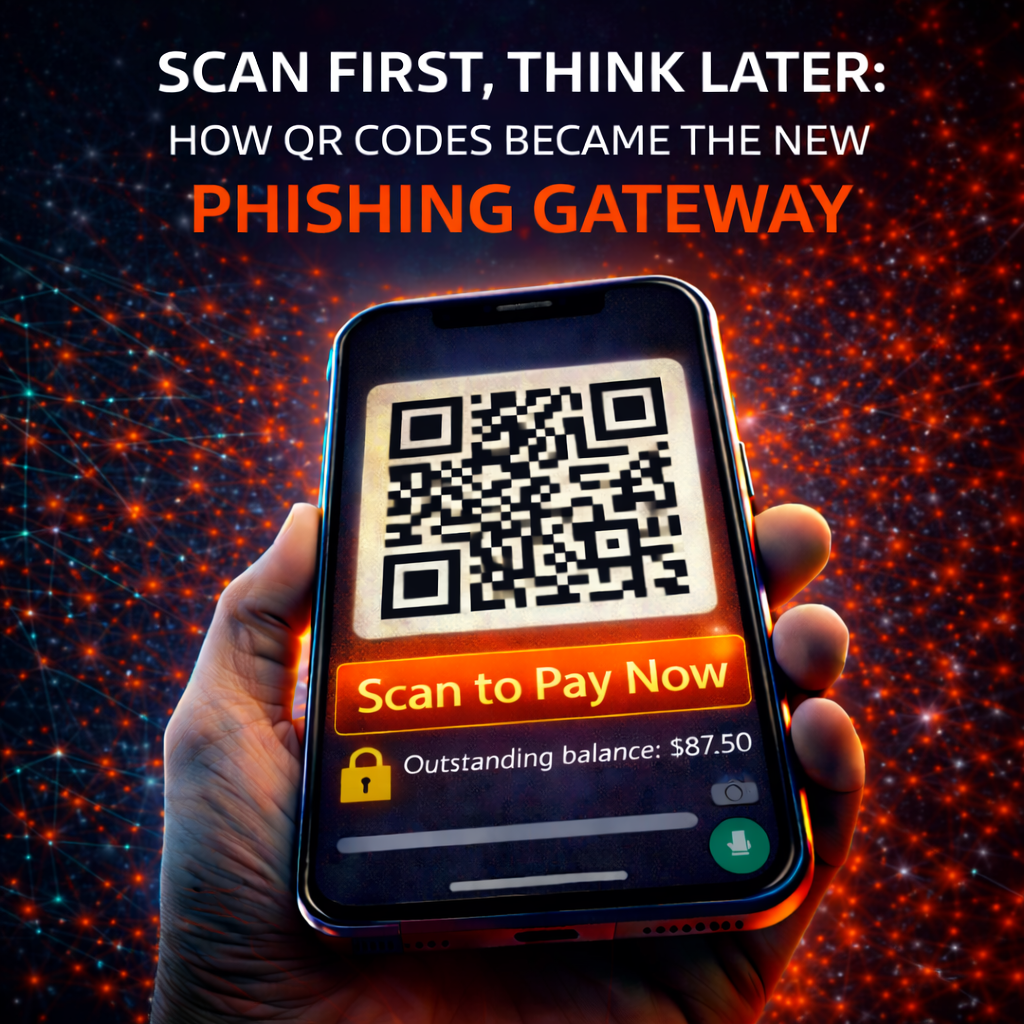
Phishing has moved far beyond the classic spam emails that were easy to detect. Today, attackers increasingly abuse legitimate systems and trusted infrastructure to create

At first glance, it looks like a logical next step in the evolution of artificial intelligence. Systems are no longer expected to simply process data.

At first, it feels like progress. A new tool is introduced, another layer is added, one more platform is integrated into the environment. The logic

Access for Sale: Inside the Rise of Bribery-Driven Cyber Attacks The conversation around cyber security has long been dominated by technical narratives. Zero-day exploits, malware

What makes modern financial fraud so dangerous is no longer just the technical side of the attack. It is the ability to imitate trust so

We operate Darkgate and regularly travel ourselves, often in the context of executive-level business trips. That means we are used to structured planning, professional bookings

It doesn’t start in a data center. Not in the dark web. Not with a sophisticated exploit. It starts in a hotel lobby.Or at an

Phishing is not a static phenomenon. It continuously evolves, often quietly and without attracting immediate attention. While traditional attacks have long relied on links embedded