
IT vendors once sold hardware. Today, they sell trust. From small garages in California, they grew into billion-dollar ecosystems. Companies like IBM, HP, Cisco and Microsoft built the invisible backbone of the digital world and defined how innovation happens.
According to IDC, more than 60 percent of global enterprises now describe their business model as “vendor-dependent ecosystems.” That number tells a story: vendors are no longer suppliers – they are the structural foundation of the digital economy. “Customers don’t buy devices anymore – they buy outcomes,” says a senior manager at one of Europe’s leading system integrators. “They expect continuous value, not just delivery.” Before the word cybersecurity even existed, the first IT vendors were focused on something far more fundamental: connection.
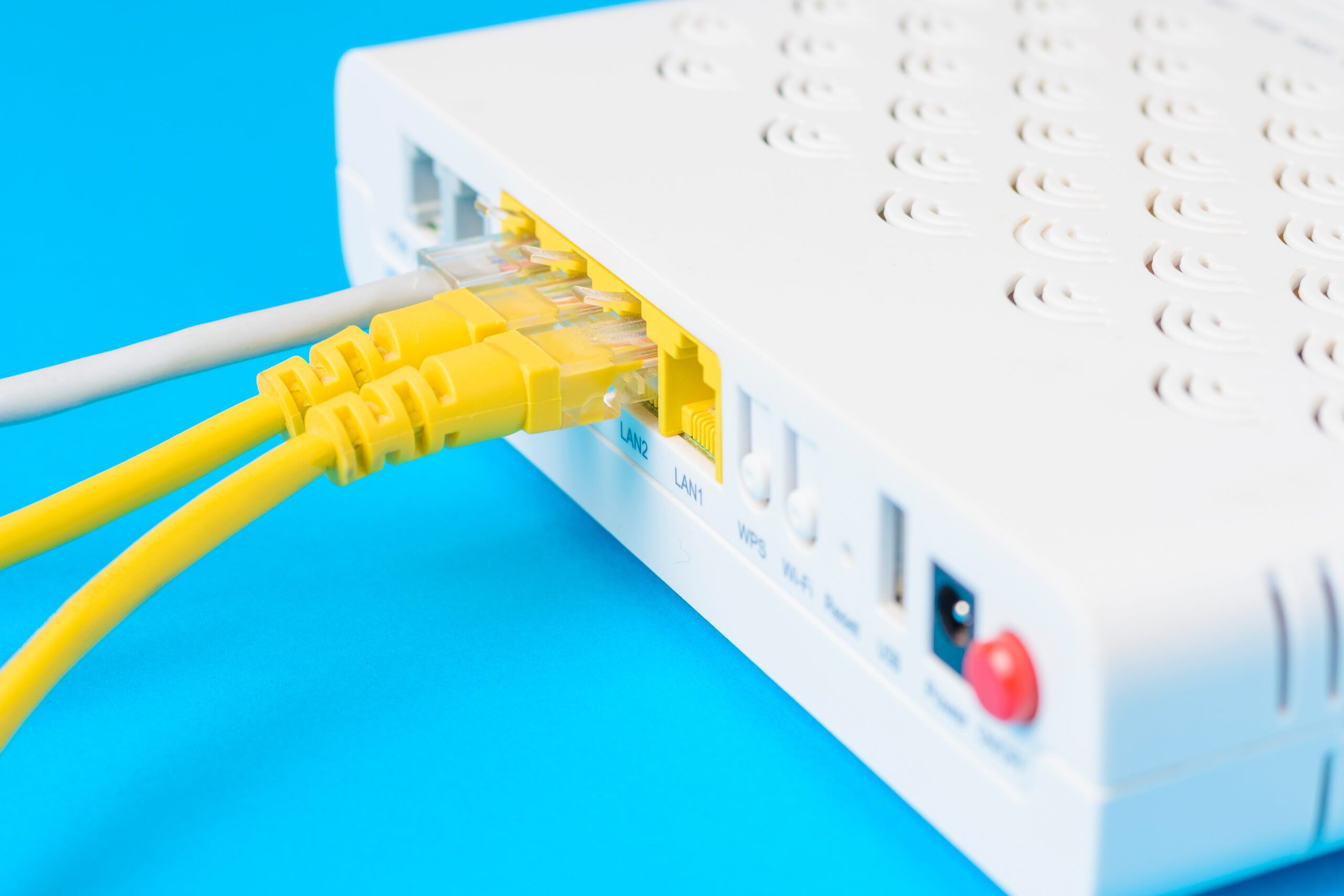
They didn’t sell protection; they sold communication. In early data centers, the air smelled of warm plastic and metal, thick coaxial cables lay coiled on the floor, and green LEDs flickered like city lights in the night. Routers, bridges, hubs — these were the tools of the pioneers. The first Cisco routers looked like small steel safes, packed with serial ports and loud fans. They linked networks that spoke entirely different languages: IP, IPX, AppleTalk.
Each new connection made another piece of the world digitally accessible. These engineers weren’t just building devices – they were building trust in the idea that technology could connect people. Hubs repeated every signal until networks groaned under their own weight. Then came switches – first from Kalpana, later from Cisco, 3Com and Hewlett-Packard – bringing order to the chaos. Instead of sending every packet everywhere, they decided where each one belonged. It was as if networks had finally learned to think. Security came later. In the early days, nobody thought much about protection. The Internet was a place of exploration, not defense.
The first safeguards appeared as simple packet filters on routers – basic rules deciding what could enter or leave a network. Soon, specialized firewalls followed, first as software, later as dedicated appliances with blinking status LEDs and neatly labeled interfaces. Vendors like Check Point, Cisco and Juniper ushered in a new era: networks that didn’t just function, but could be trusted. Why networks first and security later? Because every defense needs a foundation. You can’t protect what isn’t connected. Connectivity created the very space where security became possible – turning technology into responsibility. Over time, the role of vendors changed dramatically. Hardware alone was no longer enough. Devices became platforms, and platforms became ecosystems.
Cisco connected the Internet, Microsoft made software the global standard, and HP and Dell blurred the lines between devices and services. Technology stopped being a one-time purchase and became a living system. CapEx turned into OpEx. Pay-as-you-go replaced long procurement cycles. Support became proactive, AI-driven diagnostics replaced tickets, and collaboration replaced competition. “The next competitive edge isn’t faster hardware,” says an IT security architect. “It’s the ability to predict, self-heal and protect before the customer even notices an issue.” Modern vendors don’t just innovate; they educate. Certifications like CCNP, NSE and PCNSE became global standards of excellence.
Partner programs evolved into ecosystems of co-innovation, where vendors, integrators and customers build the future together. Technology was democratized: what once powered Fortune 500 giants now drives small and mid-sized businesses – scalable, secure and accessible. Today’s IT vendor is more than a technology provider. They are architects, researchers, visionaries and enablers of progress. Billions flow annually into research on AI, sustainability and cybersecurity. From energy-efficient data centers to open API platforms, vendors aren’t just following the market – they’re defining it. They are not part of progress; they are progress. IT vendors created the digital world as we know it. They turned raw hardware into intelligent ecosystems, competition into collaboration, and code into trust. Their evolution isn’t over. As AI, edge computing and zero-trust architectures accelerate, the definition of “vendor” keeps expanding. What began with a handful of hardware pioneers in the United States has become a global network of innovators shaping the next chapter of technology. And as long as the world keeps connecting, the story of the IT vendor will remain the story of progress itself.





