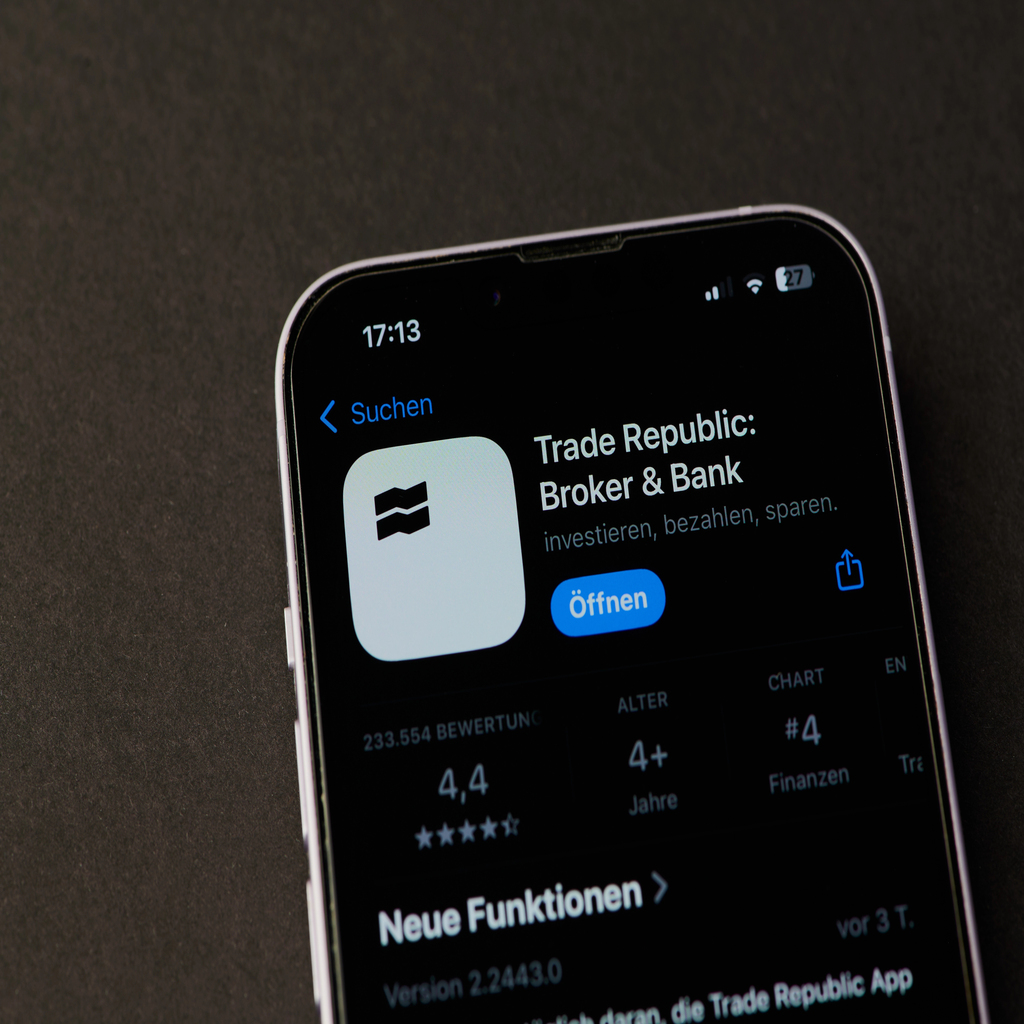
Following our initial article on the Trade Republic fraud wave, which generated significant attention across both the cybersecurity and fintech landscape, we were repeatedly asked to go one layer deeper. Not another surface explanation, not another warning, but a precise breakdown of what actually happens inside these attacks. This Deep Access analysis is exactly that. It is not about what fraud looks like from the outside, but how it operates step by step, where the critical manipulation points are, and why even experienced users fail to interrupt the process. What makes modern financial fraud so dangerous is no longer just the technical side of the attack. It is the ability to imitate trust so convincingly that even cautious, digitally experienced users begin to act against their own instincts. That is exactly what makes the latest scam patterns surrounding Trade Republic so effective. This is not the old style of phishing with broken language, suspicious links, and obvious red flags. This is a far more refined operation that combines SMS spoofing, voice based social engineering, platform impersonation, and carefully structured psychological manipulation into a fraud scenario that feels less like an attack and more like a legitimate security process. That is precisely why it works.The entry point of the attack is deceptively simple, but technically and psychologically sophisticated. In most observed cases, the first contact happens through what appears to be a legitimate Trade Republic SMS. The message typically contains a warning about suspicious activity, a blocked transaction, or a potential unauthorized transfer. At first glance, this is nothing unusual. Users are conditioned to receive such alerts. The critical escalation point lies in how the message is delivered. In many cases, the fraudulent SMS appears directly within the existing message thread of previous legitimate Trade Republic notifications. This is not random. It is the result of SENDER ID SPOOFING
Subscribe or
log in to read the rest of this content.
This article is part of Darkgate Feature Articles - Deep Access.
Strategic insight. Executive-level analysis.
Real infrastructure intelligence - beyond surface-level reporting.