For years, Patch Tuesday defined the rhythm of enterprise cybersecurity. Once a month, security teams reviewed updates, prioritized vulnerabilities, scheduled maintenance windows, tested deployments, and rolled out fixes across their environments. It was predictable, structured, and operationally manageable. But that model is now under serious pressure. The problem is no longer just the growing number of vulnerabilities. The real issue is the speed at which artificial intelligence can now identify, connect, and potentially weaponize software flaws. What was once a slow and manual research process is rapidly becoming an automated race between defenders and attackers.
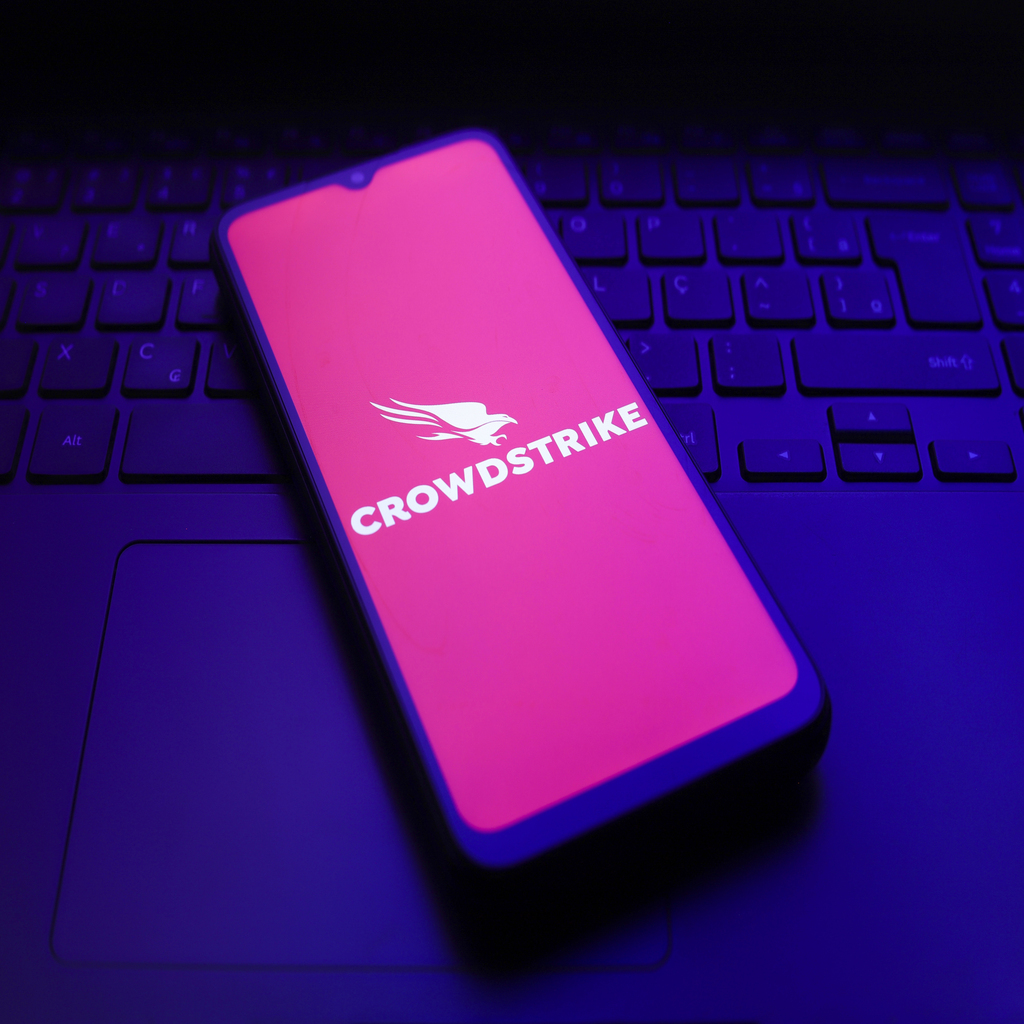
CrowdStrike recently responded to this shift with the launch of Project QuiltWorks, an initiative designed to help organizations discover vulnerabilities faster, prioritize them more effectively, and remediate them before attackers can build real attack paths. But the bigger story is not the project itself. The real signal is that the security industry is preparing for a world where AI DRIVEN VULNERABILITY DISCOVERY fundamentally changes how vulnerability management works. If models like Anthropic’s Claude Mythos can identify weaknesses at a scale and speed previously unimaginable, monthly patch cycles are no longer enough. Patch Tuesday becomes a permanent operational state.
For security teams, this creates a major operational shift. Many organizations still rely on fixed maintenance windows, layered approval processes, and planned update cycles. In a world where AI systems continuously discover new weaknesses and attackers can operationalize those findings faster than ever, the pressure changes completely. The challenge is no longer a single critical CVE. The challenge is the volume, the speed, and the ability to automatically chain individual findings into real attack paths. Vulnerability Management becomes CONTINUOUS REMEDIATION.
This is where the strategic difference begins. Organizations do not simply need to patch more. They need to patch differently. It will never be realistic to fix every vulnerability immediately. IT environments are too complex, legacy systems are too widespread, and internal approval structures are too slow. What matters now is the ability to prioritize vulnerabilities based on actual exploitability, business impact, and exposure. RISK BASED REMEDIATION becomes far more valuable than static CVSS scoring alone. A critical vulnerability on an isolated internal system may be less dangerous than a medium severity issue on an exposed asset with direct access to sensitive data or privileged identities.
For CISOs, infrastructure leaders, and Security Operations teams, this changes the entire operating model. Patch management was once seen primarily as an IT task with some security oversight. Going forward, it becomes a core element of cyber defense. Security teams must understand which assets are truly critical. IT teams must know which systems create the highest exposure. Business leadership must recognize that patching is no longer just technical maintenance. It is direct risk management. Organizations that still depend on slow approval chains, manual spreadsheets, and monthly review meetings will increasingly fall behind the attacker side.
The most dangerous weakness may not even be technical. Many organizations do not fail because they lack security tools. They fail because nobody can make decisions fast enough. Who owns the system. Who approves the patch. Who accepts the operational risk. Who is responsible if an update breaks a business-critical application. These questions create delay. In an AI driven threat landscape, delay becomes the attack surface. The greatest vulnerability is often not unpatched software, but organizational inertia.
That is why Project QuiltWorks matters as a market signal. The future belongs not to the company with the largest vulnerability report, but to the company that can turn findings into action the fastest. DISCOVERY alone is not enough. PRIORITIZATION alone is not enough. What matters is the closed loop between detection, risk evaluation, ownership, remediation, and validation. That loop must become dramatically faster.
For enterprises, this means asset visibility must improve. Automated vulnerability discovery must be tightly connected to patch management, change management, and security operations. Critical systems need clear ownership. Exposed systems must be prioritized aggressively. Most importantly, organizations must stop treating security as a monthly event and start treating it as a continuous operational discipline.
Patch Tuesday is not disappearing completely, but as a security mindset, it is already outdated. The new reality is PATCH EVERY DAY. Not blindly. Not chaotically. Not through panic. But through automation, prioritization, and permanent readiness. AI will continue increasing the number of vulnerabilities discovered across every environment. The real question is no longer whether organizations will face more vulnerabilities. The real question is whether they can respond fast enough.
In the end, CrowdStrike’s message is simple. Cybersecurity is moving from reactive defense toward continuous operational readiness. Any organization that still believes vulnerability management is a monthly administrative process is underestimating the speed of the next attack wave. In the AI era, the winner is not the company with the longest list of findings. The winner is the one that turns those findings into resilience first.