Identity has become much more than a technical control point. It has turned into a quiet but steady pulse that holds modern security architectures together. This evolution builds directly on the success of Multi-Factor Authentication. While MFA secured the doors, the industry has moved one layer deeper to examine the foundation on which access decisions are made. The focus is no longer solely on how someone logs in, but on who the user is and under which circumstances access is appropriate.This deeper focus on identity is also one of the reasons why the team behind Darkgate has chosen to explore the topic more intensively. The founders of the platform have been running one of the most recognized specialized recruiting agencies in the international market for years, with a clear emphasis on cyber security, network engineering and modern infrastructure. Our clients include leading IT integrators, global cloud and security service providers and several major vendors known for driving innovation within the industry. In our daily briefings with managing directors, CTOs and technical department leaders, a recurring theme has emerged: identity has become a fundamental strategic element, not just a technical one. Especially when defining key hires, outlining responsibility models or planning future team structures, identity-first security appears again and again as the anchor point. These insights from real-world conversations have motivated us to give this topic a stronger editorial voice.
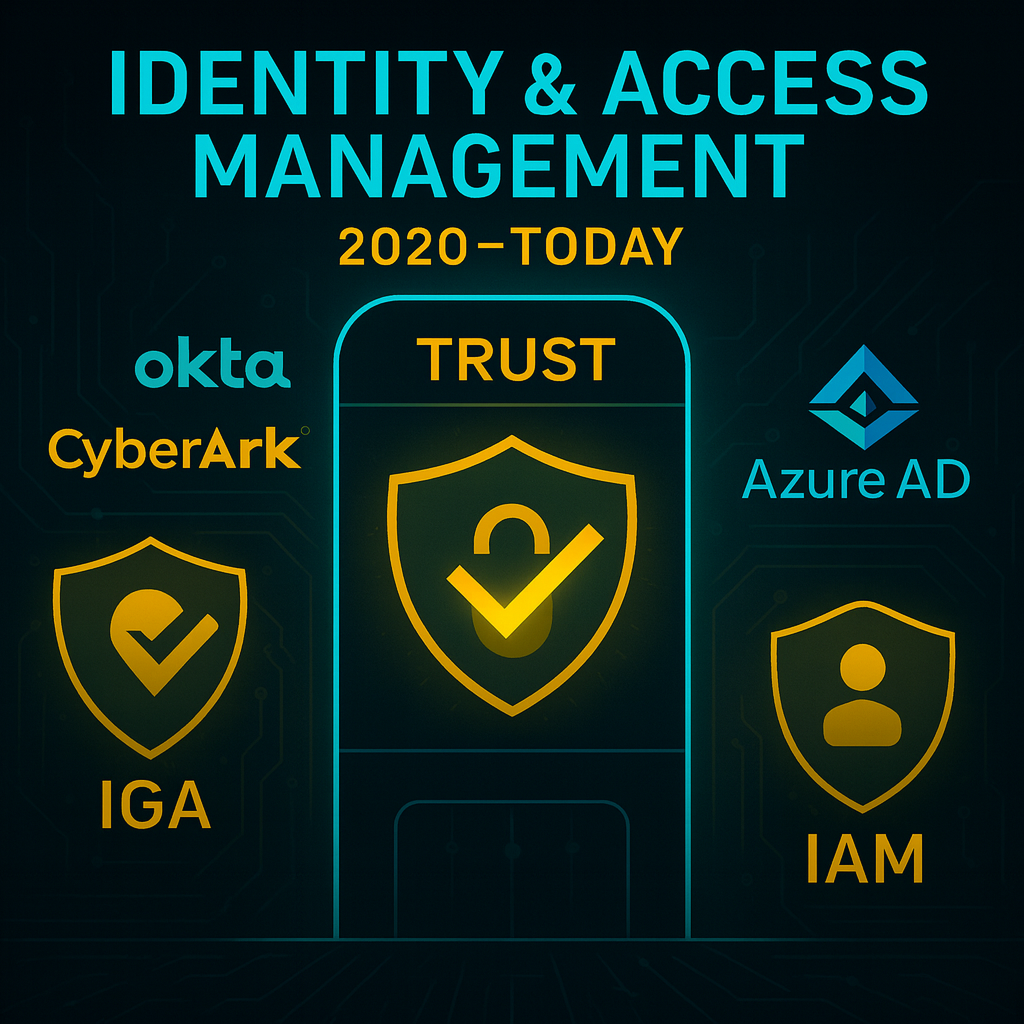
The progression from MFA to full identity strategies is not a radical shift but a natural continuation. Many organizations have already completed their MFA rollout, implemented app-based approval flows and adopted passkeys as a modern login method. But MFA alone answers only part of the question. The real evolution begins when identity is treated as an integrated layer that continuously evaluates whether access is reasonable, trustworthy and consistent with expected behavior. This is where IAM, PAM and IGA become essential pillars of the modern security architecture.IAM, Identity and Access Management, forms the structural backbone of this identity layer. Platforms such as Okta and Microsoft Entra ID provide a unified identity fabric across applications, devices, user groups and policies. Many organizations highlight how this harmonized identity layer simplifies operational workflows, accelerates cloud adoption and reduces friction during onboarding and offboarding. Identity not only opens doors, it structures the entire space behind them.
PAM, Privileged Access Management, extends that logic by protecting the smaller set of identities with far-reaching privileges. Solutions like CyberArk integrate privileged accounts so deeply yet so quietly into daily operations that they function as a stabilizing background system. Technical leaders often describe PAM as a silent foundational layer that becomes visible only when it is missing.IGA, Identity Governance and Administration, ensures that permissions remain clean and intentional rather than accidental and outdated. In global organizations with constantly shifting responsibilities, IGA acts as a continuous guiding system that keeps access models accurate and transparent. Vendors such as SailPoint have set new standards by showing that modern governance can be both technically sophisticated and operationally intuitive.The increasing importance of identity also reshapes operational processes. Many companies report that a solid IAM and IGA framework significantly accelerates onboarding, clarifies offboarding and results in more predictable permission models. It is less about tightening control and more about creating clarity. Clarity generates trust. Trust generates stability. Identity-first security brings a sense of order that can be felt even outside the security team.
User experience has become a central driver of this evolution. Okta, Entra ID and CyberArk place strong emphasis on merging security and convenience into a single experience. Passkeys, context-aware access and adaptive risk evaluation create a form of security that feels natural. Unobtrusive, but deeply effective. 2020 to today is therefore not simply a technological phase, but one of maturity. Identity-first security is not a trend; it is a quiet, structural realignment of how digital trust is created. Organizations increasingly see identity as a long-term foundation that must be flexible, well maintained and ever-present in the background.The open question for the coming years is not whether identity will evolve, but how far it will go. Early systems already show how identity engines can provide recommendations, adjust risk levels or suggest role models based on behavior. The boundaries between automation and human decision-making will become smoother. What is clear even now is that identity is no longer just one factor among many. It is the layer where modern security architectures find their most stable, flexible and future-oriented foundation.