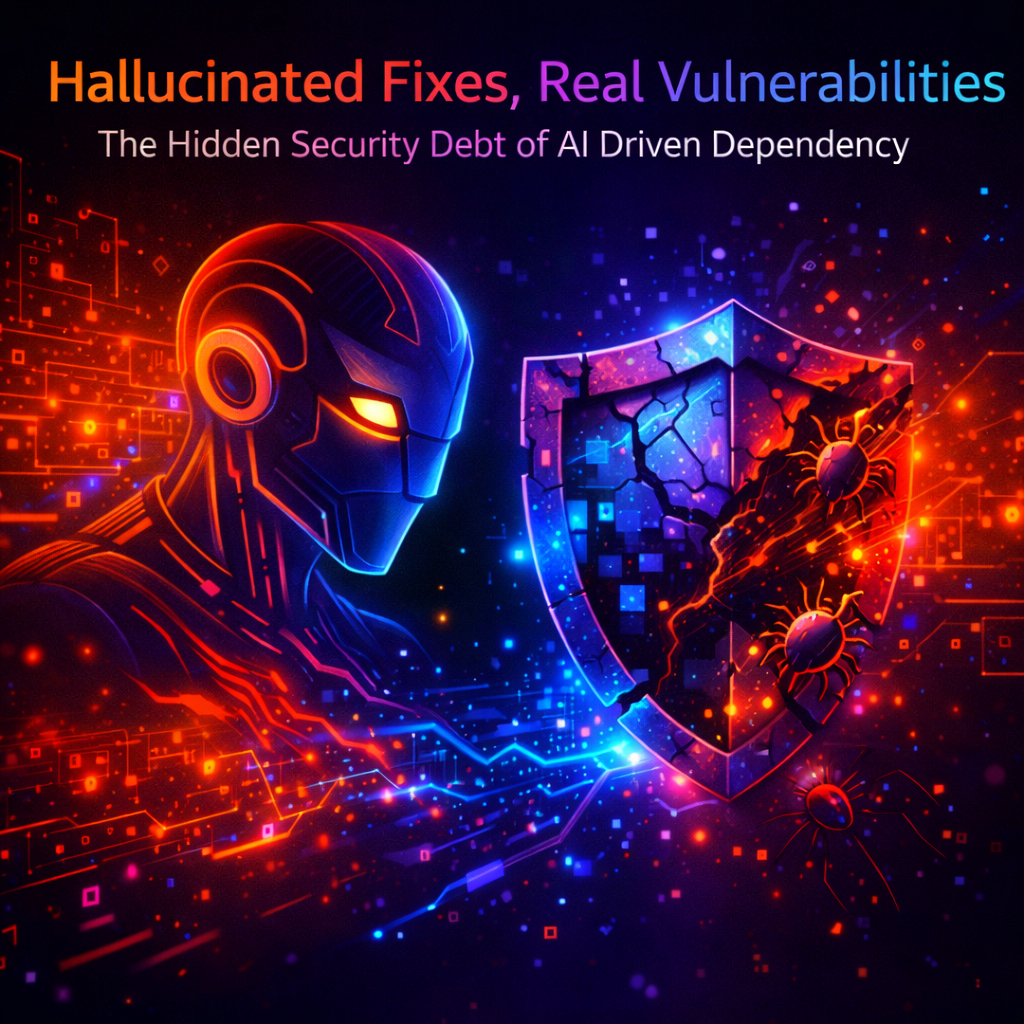
Artificial intelligence is increasingly being sold to engineering teams as a force multiplier. It writes code, explains configurations, summarizes documentation, and more recently, it is being trusted to recommend library versions, upgrade paths, and even security remediation steps. That sounds efficient on paper. In reality, it is creating a risk that many organizations still fail to grasp. When an AI model suggests a dependency upgrade, the answer often looks polished, structured, and convincing. It sounds as if the model understands the technical landscape in full. That is exactly where the danger begins. If an AI system gets a dependency recommendation wrong, it is not just making a harmless mistake. It can push teams toward the wrong version, the wrong patch path, or the wrong sense of security. It can suggest versions that do not exist. It can point developers to packages that leave known exposures unresolved. It can recommend changes that appear reasonable while quietly preserving risk inside production environments. And in the worst cases, it can introduce new vulnerabilities into systems that teams believe they have just improved.That is the real issue. The biggest threat is not always the obvious hallucination that everyone can spot at once. The more dangerous failure is the recommendation that looks almost right. Those are the answers that end up in tickets, pull requests, sprint plans, and release decisions. AI does not have to invent a fake version number to cause damage. It only needs to recommend a real version that happens to be the wrong one. It only needs to suggest an upgrade path that sounds safe while leaving a critical flaw untouched. It only needs to respond with no change when a component actually carries serious security exposure. In that moment, the model stops being a helpful assistant and becomes a quiet generator of technical debt. Not dramatic, not immediately visible, but deeply operational in its consequences.This is why the story mat
Subscribe or
log in to read the rest of this content.
This article is part of Darkgate Feature Articles - Deep Access.
Strategic insight. Executive-level analysis.
Real infrastructure intelligence - beyond surface-level reporting.