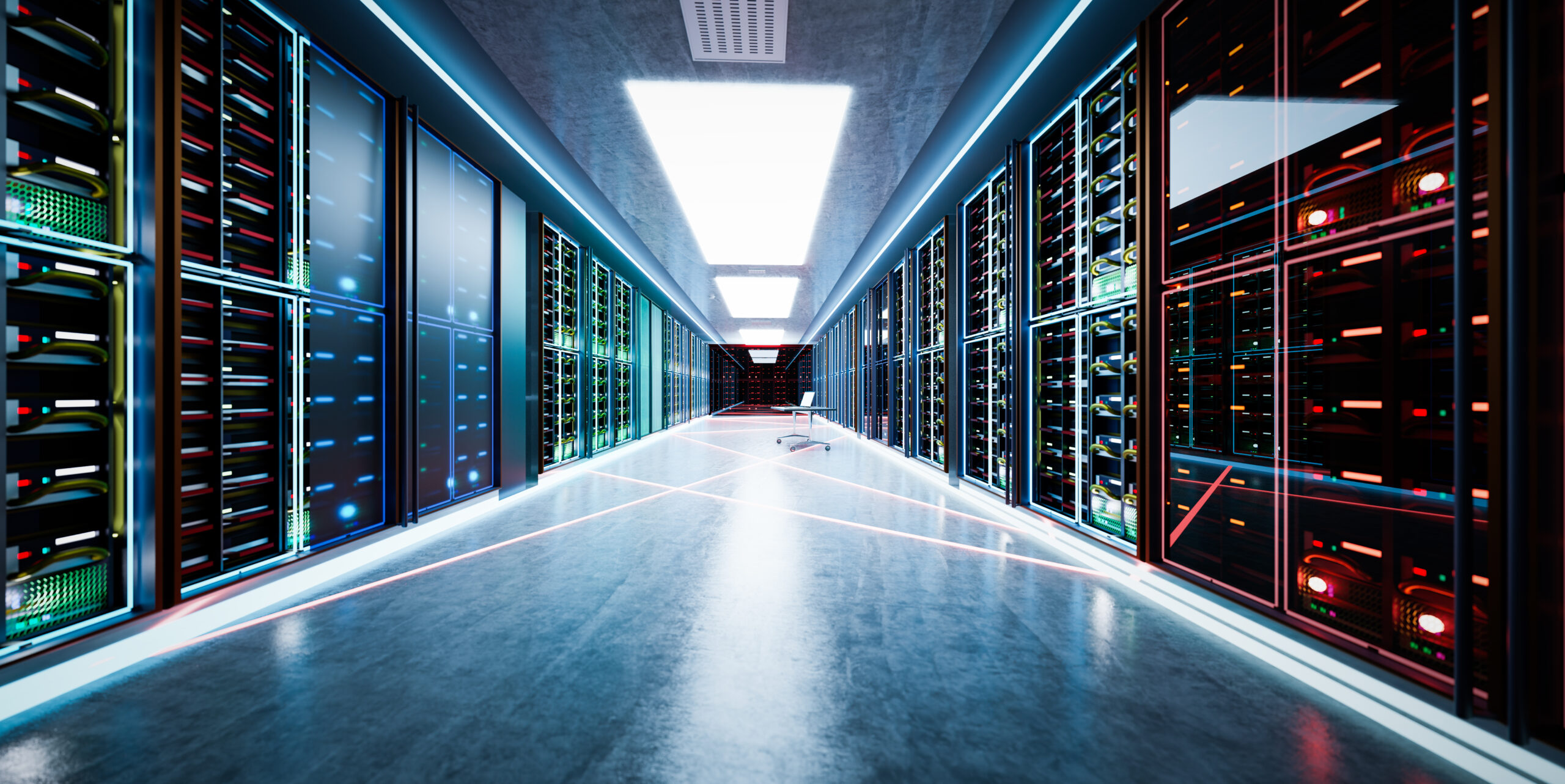
At a sustainability workshop in Dublin, the operations manager of a major Irish cloud provider leaned back with a broad grin and said: “A few years ago, our datacenters were basically giant heaters. We spent more on cooling than on the servers themselves. Today, the conversation is completely different.”
That spontaneous remark perfectly captures how much the priorities in modern datacenter design have shifted.
Over the past two years we have seen the same transformation in client projects across Europe. Large enterprises, mid-size SaaS vendors—even a few initially cautious public-sector agencies—are all working toward the same goal: cutting energy consumption without sacrificing performance. And it’s no longer just about lowering the electricity bill; it’s about meeting carbon-neutral pledges and satisfying growing pressure from investors and regulators.
Smarter Cooling, Smarter Planning
One of the clearest trends is in cooling. Traditional air-conditioning is increasingly being replaced by liquid cooling and hot-aisle containment. An Irish co-location datacenter we recently worked with cut energy used for cooling by over 30 % in a single upgrade cycle. Their CTO joked: “For the first time, our electricity meter spins slower in summer than in winter.”
Small design tweaks like these add up quickly—especially when you’re running tens of thousands of servers.
Extending the Life of Hardware
Energy efficiency isn’t only about kilowatt hours; it also means making hardware last longer. Some hyperscalers now refurbish and redeploy servers for second-tier workloads instead of retiring them after three years. A Dutch managed-services provider we engaged with extends the lifecycle of its storage systems by replacing only worn-out SSD modules—saving both costs and raw materials.
We were honestly surprised at how “new” these second-life systems looked—you’d hardly guess they were already on their second tour of duty.
A Stronger Business Case
According to a 2024 Uptime Institute report, datacenters that invest in efficient cooling and circular-economy hardware can reduce total operating expenses by 15–20 % within three years. Those numbers speak to CFOs and sustainability officers alike.
Of course, challenges remain: the upfront investment can be significant and retrofitting legacy sites is rarely a quick win. Yet the trend is unmistakable. Energy efficiency has moved beyond a simple PR exercise—it has become a genuine competitive advantage.
As one colleague put it recently: “Energy efficiency used to be a facilities topic. Now it’s a boardroom agenda item.”
From our perspective, the next generation of datacenters isn’t just about faster servers—it’s about building infrastructure that future-proofs both the planet and the bottom line.