In our ongoing series on leading IT vendors and their certification programs, we take a closer look at Palo Alto Networks – a company that has set new standards in cybersecurity and network protection worldwide. After exploring Cisco and Fortinet, Palo Alto represents another key player whose certifications have become a benchmark for technical excellence. Few names in the security industry carry as much weight as Palo Alto Networks. Its technology forms the backbone of countless corporate infrastructures across industries, from financial services to healthcare and global logistics. For IT integrators and service providers, the brand stands for innovation, reliability and trust. Behind this reputation lies a structured approach to knowledge: certification.
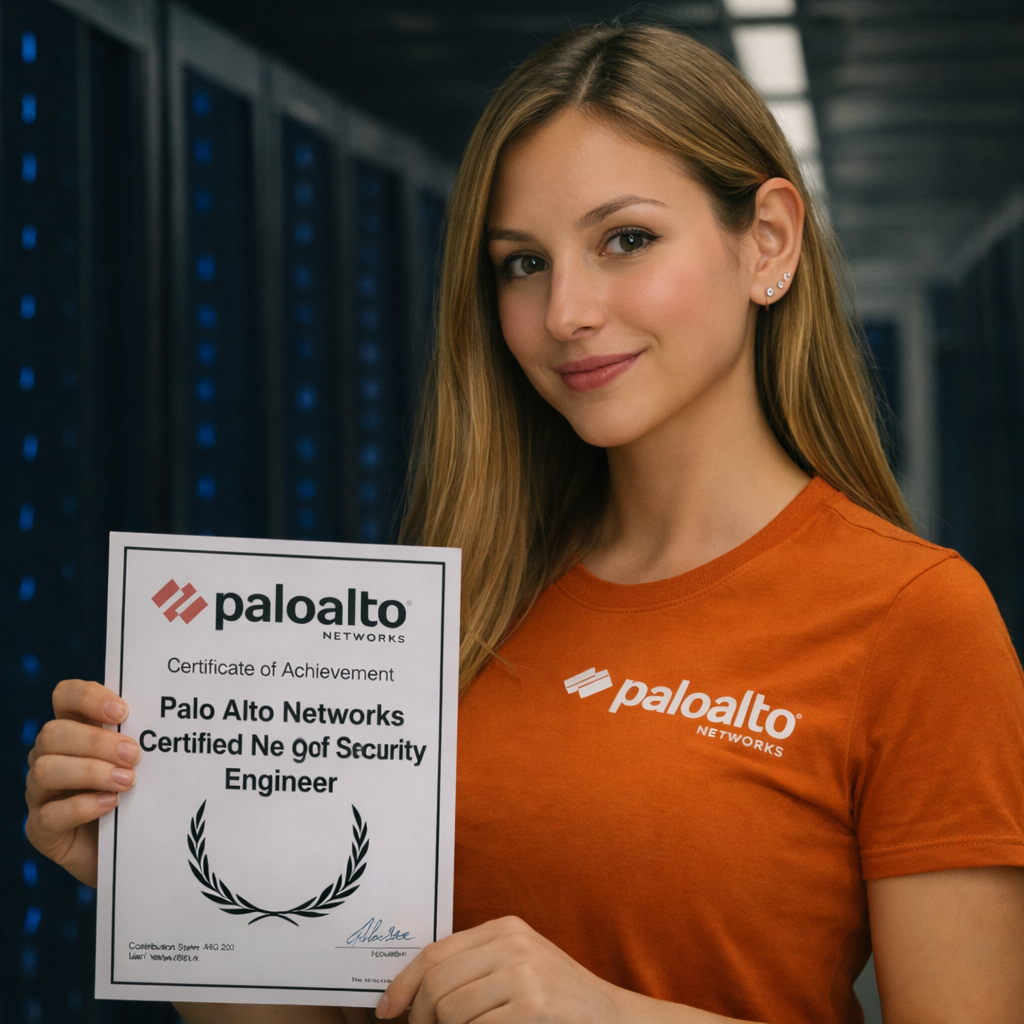
The Palo Alto Networks certification system, first introduced in 2013, was created to provide a clear learning path for cybersecurity professionals. Over the years it has evolved into a multi-level framework that recognizes both technical expertise and strategic understanding. The most prominent certification remains the Palo Alto Networks Certified Network Security Engineer (PCNSE), designed for experienced engineers who work daily with firewalls, Panorama management and advanced threat prevention. In 2023 Palo Alto restructured its program to make it more accessible and aligned with real-world roles. The new Palo Alto Networks Certified Cybersecurity Associate (PCCSA) and Palo Alto Networks Certified Network Security Administrator (PCNSA) serve as entry and mid-level certifications. Together with the PCNSE they form a clear progression from foundational to advanced skills. Exams now place stronger emphasis on automation, cloud security and Zero Trust concepts, reflecting the shift in modern IT infrastructures.
For system integrators, holding multiple Palo Alto certifications is more than a badge of honor. It is often a prerequisite for achieving partner status and accessing advanced support programs. Certified engineers can directly influence a company’s eligibility for higher partner tiers, bringing financial benefits, early feature access and deeper collaboration with Palo Alto’s technical teams. The team behind Darkgate, which also operates one of the most renowned IT recruiting agencies, is in regular contact with engineers, consultants and cybersecurity specialists across the industry. Many of them proudly share when they have achieved a new Palo Alto certification, often describing the exams as challenging but deeply rewarding. Several also highlight how their employers actively support them by providing training budgets and study time. These insights show how closely professional certifications are now embedded in the culture of the IT world. They stand not only for technical expertise but also for commitment, discipline and personal growth.
From a market perspective, Palo Alto certifications have become a strong indicator of professional credibility. Companies looking for specialists in secure infrastructure, SOC operations or cloud defense consistently prioritize certified professionals. In an environment where security threats evolve daily, this focus on certified expertise helps maintain trust across the entire ecosystem of vendors, integrators and customers.While competitors like Cisco and Fortinet offer equally respected programs, Palo Alto maintains a distinctive position through its deep integration of automation, AI-driven analytics and its consistent focus on the Zero Trust framework. Its certification programs evolve hand in hand with its technology, ensuring that those who pass stay at the forefront of cybersecurity innovation.
Outlook
As cybersecurity continues to define the foundation of digital trust, certifications will remain one of the strongest instruments for validating skills and building long-term partnerships. In the next part of this series, we will explore Microsoft and how its certification ecosystem continues to shape professional standards across the global IT industry.
Conceptional image digitally created for editorial illustration. All trademarks and brand names are the property of their respective owners