
Today we continue our series on the certification programs of leading IT vendors. This time, however, we’re stepping outside the traditional network and firewall space to focus on one of the biggest names in Security Information and Event Management (SIEM) – Splunk. For years, Splunk has been a driving force in helping organizations collect, analyze, and visualize security-related data. In countless SOCs around the world, Splunk serves as the analytical heart of cybersecurity from incident detection to automated response.
The founders of Darkgate Magazine also operate one of the most respected international IT recruitment agencies. Since 2019, we’ve been supporting a German client based in the southern region of the country, where Splunk plays a key role in the organization’s security architecture. During this partnership, we successfully recruited a Splunk Consultant a process comparable to finding a needle in a haystack. Certified Splunk experts are extremely rare and in high demand, as Splunk has become a cornerstone in the SIEM ecosystem. Splunk was founded in 2003 in San Francisco with a clear mission: to make machine data accessible, usable, and valuable. While the company originally gained recognition as a log analysis tool, it has since evolved into a full-fledged platform for security analytics, observability, and data intelligence. Today, Splunk is far more than a log management solution – it’s a powerful data platform that integrates AI-driven analytics and supports hybrid and cloud-native infrastructures.
Splunk’s certification program has played a major role in this evolution. In its early years, certifications such as Splunk Certified User and Splunk Certified Power User covered the fundamentals of search, reporting, and visualization. As the platform expanded, Splunk restructured its certification tracks to reflect real-world roles including Administrator, Architect, Developer, and Security Specialist. The foundation begins with the Splunk Core Certified User, followed by the Splunk Core Certified Power User and Splunk Enterprise Certified Admin. For professionals in cybersecurity, two certifications stand out: the Splunk Enterprise Security Certified Admin and the Splunk Certified Cybersecurity Defense Analyst. These credentials not only demonstrate technical expertise but also the ability to detect, correlate, and respond to complex security threats.
In recent years, Splunk’s certification framework has become more aligned with practical applications. Exams are conducted online through Pearson VUE, and the content now focuses on real-world scenarios such as log correlation, automation, and cloud integration. Despite increasing competition from Microsoft Sentinel, IBM QRadar, and Elastic, Splunk remains the gold standard for enterprise-grade SIEM. Conversations with security professionals consistently reveal that Splunk is seen less as a tool and more as a strategic platform one that empowers organizations to identify threats in real time and continuously improve their security posture. From a recruitment perspective, Splunk expertise represents one of the scarcest and most valuable skill sets in today’s cybersecurity landscape. Companies looking for certified Splunk specialists face a tight market and premium salary levels, but the value these experts bring to building modern SOCs and automated security workflows is unparalleled.Splunk stands as both a technological and human challenge a benchmark of excellence in cybersecurity and a certification ecosystem that continues to shape the industry’s most in-demand professionals.
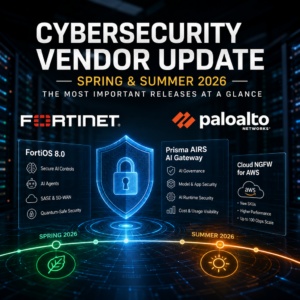
Conceptional image digitally created for editorial illustration. All trademarks and brand names are the property of their respective owners