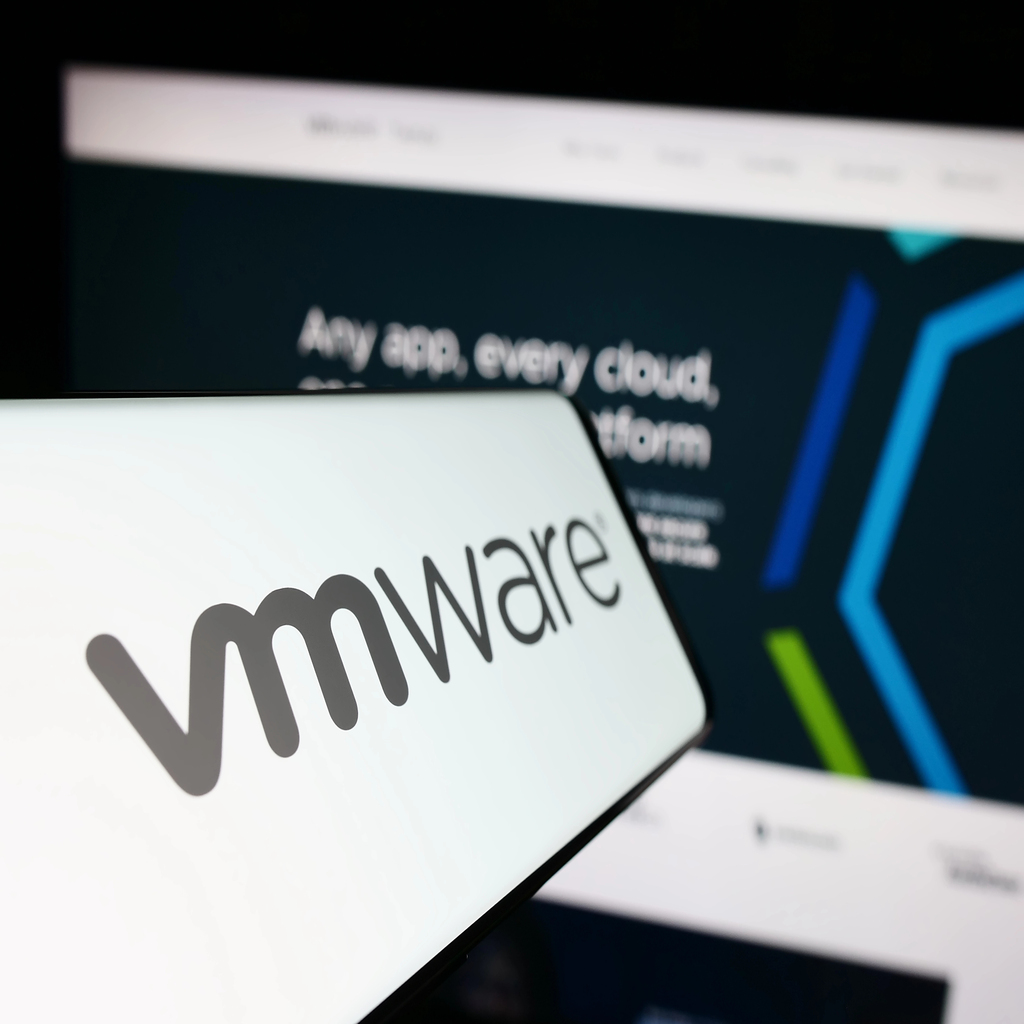
The acquisition of VMware by Broadcom is one of the most significant developments in the global IT infrastructure market in recent years. The deal was officially completed in November 2023, with a total value of approximately $69 billion. This makes it one of the largest technology acquisitions ever and marks a clear strategic move by Broadcom to strengthen its position in the software space and expand recurring revenue streams.
To properly understand the impact of this acquisition, it is worth taking a closer look at both companies. VMware has long been a key player in virtualization and cloud infrastructure, forming the backbone of countless data centers worldwide. Its technology is deeply embedded, particularly within European mid-market companies and IT service providers. Broadcom, on the other hand, has traditionally been strong in semiconductors but has increasingly evolved into a software-focused company through acquisitions such as CA Technologies and Symantec Enterprise.
With VMware, Broadcom has added one of the most critical components of modern IT infrastructure to its portfolio. The strategic intent is clear: focus on high-margin, long-term customer relationships and a stronger alignment with large enterprise clients operating complex IT environments.Since the acquisition, however, the way VMware products are offered has begun to change. Broadcom has started to streamline the portfolio, moving away from standalone products toward more integrated and standardized platform offerings. At the same time, licensing models have been adjusted, shifting toward bundled solutions designed to simplify operations and provide a more unified infrastructure experience.
As a result, the industry has entered a phase of active discussion. In particular, cloud service providers and IT partners have reported noticeable changes in pricing structures. In some cases, there are reports of significant cost increases, especially when combined with new licensing approaches, minimum purchase requirements, and updated contractual frameworks. These developments have been raised and discussed by various industry associations and market participants.At the same time, it is important to view these changes within a broader strategic context. Broadcom has consistently followed a clear approach across its acquisitions: focusing on larger customers, simplifying product portfolios, and driving standardization. This strategy is not new but rather an extension of its established operating model. The goal is to reduce complexity and build more stable, predictable business structures over the long term.
For many organizations, this currently represents a period of adjustment. IT decision-makers are reassessing their VMware environments, evaluating alternative technologies, or adapting their strategies accordingly. In the European market in particular, this has also sparked discussions around technological independence and the role of local providers.
That said, the situation should not be viewed purely through a critical lens. Broadcom brings substantial resources, scale, and operational discipline. The integration of VMware into a broader software ecosystem has the potential to create long-term benefits, particularly through closer alignment between infrastructure, security, and platform services.Furthermore, VMware remains a cornerstone technology within modern IT architectures. Many organizations continue to rely on its maturity, stability, and extensive ecosystem. While the business model is evolving, its technological relevance remains intact.
Ultimately, the current developments highlight a broader trend. The cloud and infrastructure market is undergoing structural change. Consolidation, new licensing models, and strategic realignments are becoming increasingly common. The Broadcom–VMware deal is not an isolated event but part of a wider transformation across the global technology landscape.
For companies, service providers, and even the recruitment market, this creates both challenges and opportunities. Requirements are shifting, structures are evolving, and new dynamics are emerging.In the end, the acquisition of VMware by Broadcom represents a turning point, but not a disruption. It is reshaping the market, prompting necessary adjustments, and at the same time introducing new momentum into an industry that is constantly evolving.And within that shift lies the opportunity.