Around 2015 something began to change, quietly and almost unnoticed. There was no single technological breakthrough, no dramatic turning point, no moment where one could clearly say: from now on everything is different. And yet, this was the period when the way we talk about work, organize work, and experience work started to shift in a fundamental way. Slowly, something that had long lived in the background moved into the center of attention: tools.
Before that, people mostly spoke about software, systems, applications. ERP, CRM, ticketing systems, collaboration platforms these were technical terms used primarily by IT departments. Business units talked about processes, goals, projects, and results. IT was responsible for systems, the business was responsible for work. The language was separated, and so were the responsibilities.From around 2015 onwards, that separation began to soften. Business teams started asking for tools, not systems. Marketing wanted tools for campaigns, HR wanted tools for recruiting, sales wanted tools for pipeline management, leadership wanted tools for transparency and overview. The word “tool” became a shared language that connected technology and everyday work.
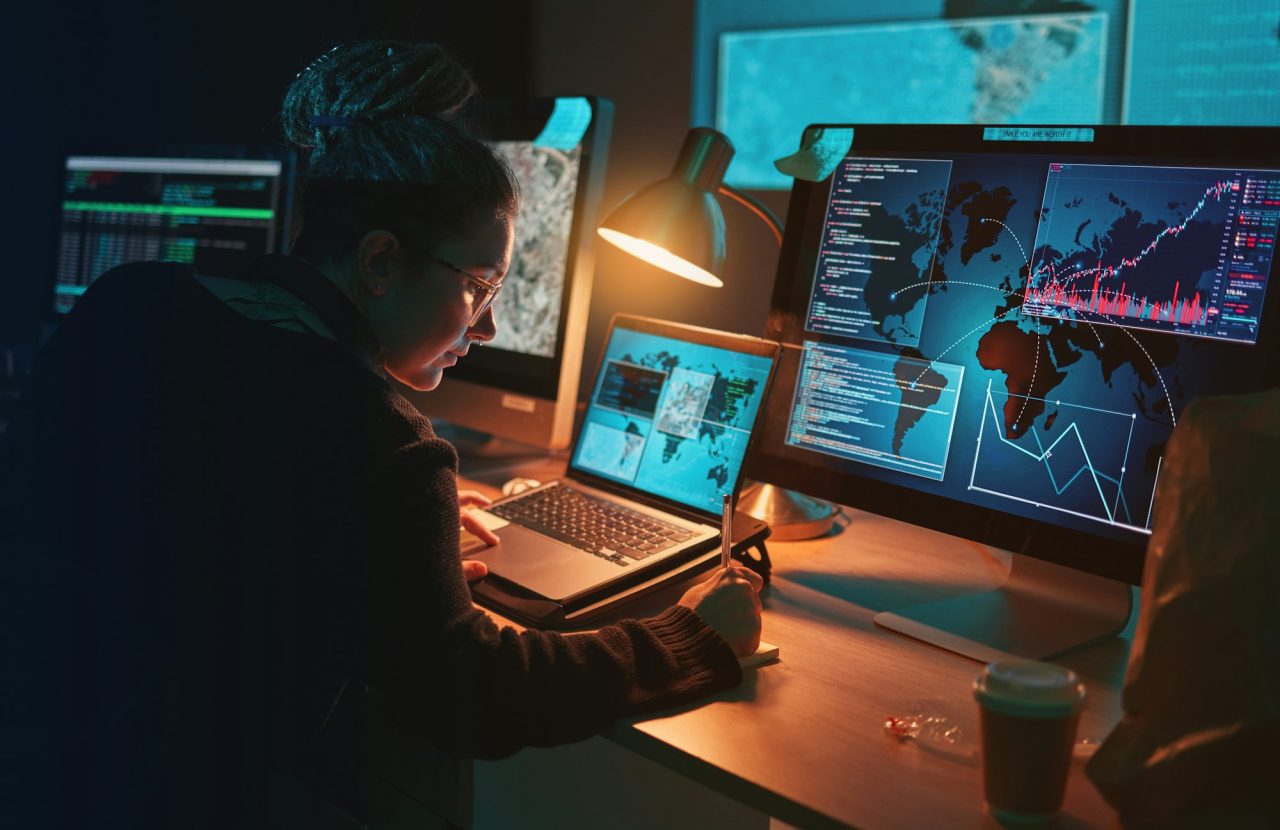
This shift had several drivers.One was the rapid improvement of user experience in software. Cloud applications became simpler, more intuitive, more visual. You no longer needed technical training to use a new application. You could sign up, log in, and start. At the same time, expectations changed. If software could be simple, people wanted it to be simple. And if they were used to elegant apps in their private lives, they expected similar experiences at work.Another driver was the changing nature of work itself. Teams became more distributed. Projects became more complex. Customers expected faster responses, more transparency, and higher reliability. Email and meetings alone were no longer enough to coordinate that complexity. Organizations needed something that made work visible, traceable, and shareable. Tools provided exactly that.So a quiet shift began. Work slowly moved from conversations, emails, and spreadsheets into boards, workflows, dashboards, and platforms. Not because anyone planned it, but because it helped. Because it reduced friction. Because it created clarity.This development accelerated significantly around 2020. Remote work, distributed teams, and digital collaboration became not just an option but a necessity. At that point it became obvious: tools were no longer just supporting work, they had become the place where work happens.
This is also where the role of IT integrators began to change.Traditionally, IT system houses and integrators were infrastructure partners. They built networks, implemented systems, ensured stability, security, and availability. But as tools became central to how organizations operate, customer expectations shifted as well. Clients no longer asked only for functioning systems, they asked for functioning work.A client did not want a CRM system, but better collaboration between sales and marketing. Another did not want a ticketing platform, but faster response times and happier customers. HR did not want an applicant tracking system, but a better candidate experience. Management did not want reporting tools, but clarity about what is really happening inside the organization.
As a result, the role of integrators evolved. They became less pure implementers and more translators between business needs and technical possibilities. They had to understand what clients were actually trying to achieve, and then design tool landscapes that supported those goals. Their portfolios expanded. Infrastructure was joined by SaaS platforms, integrations, automation, data flows, and managed services.Integrators started to build environments rather than systems. They connected tools, aligned processes, ensured that information could flow between departments and platforms. They took responsibility for operation, security, and reliability so that clients could focus on their core business.At the same time, integrators became observers of a deeper organizational change.
Work became more visible. Status became transparent. Progress became measurable. Dependencies became explicit. Responsibility became formalized. Much of what had previously been implicit became explicit. Much of what had lived in people’s heads moved into systems.This created new opportunities: more clarity, less friction, better scalability, faster coordination. But it also raised new questions. How much structure is helpful? How much transparency creates trust, and when does it feel controlling? How much automation supports people, and when does it start to replace judgment?
These questions are now part of many conversations – not only in IT departments, but in leadership teams, HR, and strategy discussions. Tools are no longer a technical topic. They are an organizational topic. They shape how work is done, how it feels, how it is experienced.This is what makes the transformation of the last ten years so interesting. It was not a technological revolution, but a cultural one. Not new software changed the world of work, but the way software became embedded in everyday working life. Tools did not just become more powerful. They became more central.Today it feels natural that work happens inside tools. That projects live on boards. That knowledge lives in wikis. That communication flows through channels. That decisions are prepared before they are discussed. That organizations are configured as much as they are managed.That sense of normality is the real sign of transformation.It shows that tools are no longer perceived as technology, but as part of the working environment itself. They are no longer something people use from time to time. They are something people work inside every day.
For IT integrators, this places them in a particularly sensitive position. They are no longer only designing systems, but shaping working environments. They influence not just efficiency, but experience. Not just processes, but culture.And perhaps this is the new responsibility that comes with that role. Not only to deliver solutions, but to understand contexts. Not only to integrate tools, but to enable meaningful work. Not only to provide technology, but to help create environments in which people can work productively, effectively, and with a sense of clarity and purpose.The transformation is not finished. It is not linear either. It is an ongoing process in which organizations, people, and systems continuously influence each other. But one thing has become clear: work is no longer just something people do. It is something that happens inside systems.And that changes everything.Not loudly. Not dramatically. But quietly, step by step, tool by tool.And that is why it is worth paying attention.