OT security has a special significance for us at Darkgate, because it was one of the first domains in which we truly felt the weight of industrial digitalization. Our entry into this field began back in 2021, when we were commissioned to find an OT Security Consultant for one of the largest IT integrators in the world – a global technology powerhouse with Japanese roots and a leading footprint in Europe. During the early conversations, it became immediately clear that this role operated on an entirely different scale compared to classical enterprise security engineering. The expectations went far beyond what most people associate with security consulting. The mandate involved industrial control systems, energy distribution layers, process automation, connected production lines, safety-critical infrastructure and OT-specific communication protocols that, at the time, were unfamiliar even among seasoned cybersecurity professionals. We suddenly found ourselves searching for experts capable of securing ecosystems where both data and physical processes were at stake. And we realized something fundamental: true OT-security specialists cannot be improvised their expertise is grown over years or decades, in factories, power plants, control rooms, substations and medical environments. That first search shaped our understanding of how rare and valuable genuine OT talent really is.
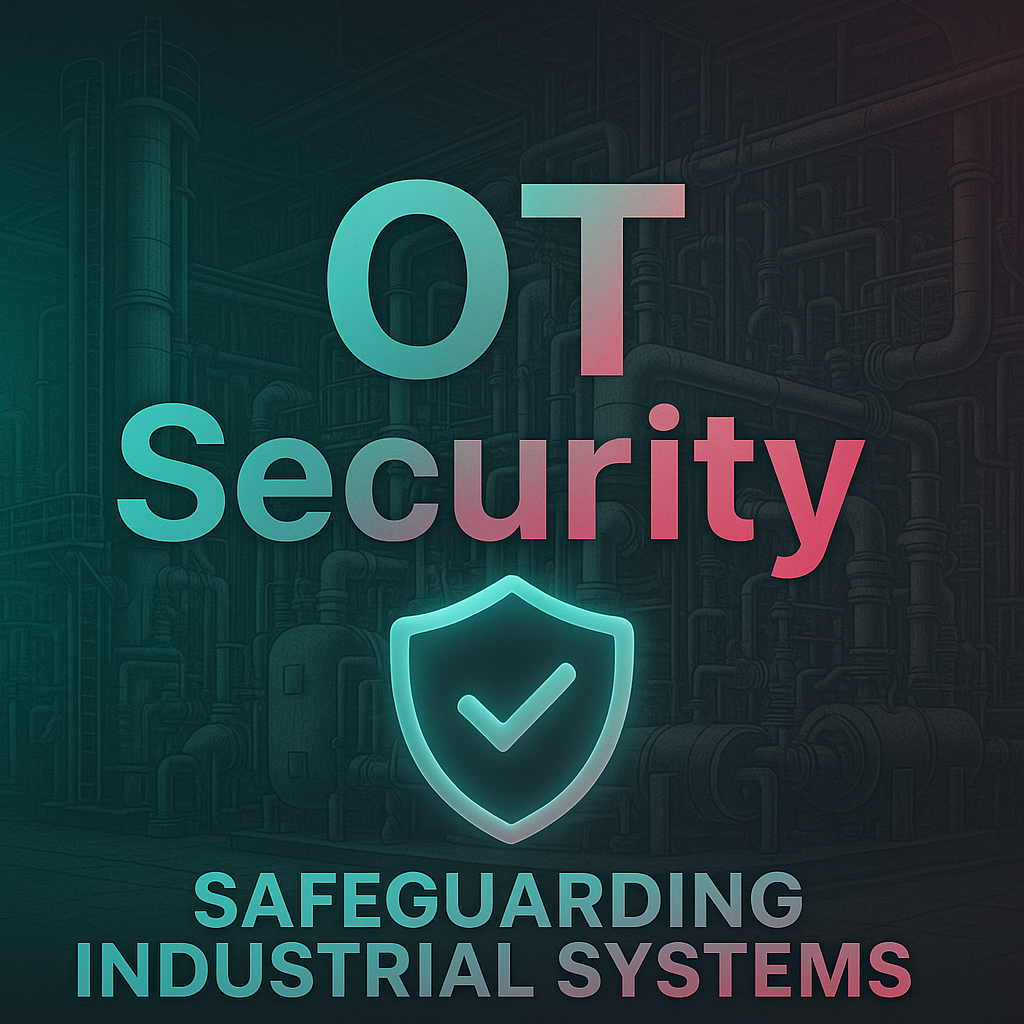
As an internationally operating boutique recruiting firm, working daily with decision-makers from IT integrators, industry leaders, energy providers and healthcare operators, we recognized early that OT Security is not a trend it is a structural foundation of modern civilization. The demand for talent in this field is rising, and the available pool is shrinking, simply because it requires a unique combination of industrial intuition and cybersecurity logic. This intersection is rare but essential and it determines whether production continues, electricity flows or medical services remain operational. OT Security is not a theoretical battlefield. It is the point where digital precision meets physical reality. When attackers compromise classic IT environments, organizations lose data, money or reputation. When attackers compromise OT systems, pumps fail, turbines overheat, chemical reactions destabilize or patient monitoring systems become unreliable. The consequences are immediate and visible. And this is where the true essence of OT Security begins: protecting industrial processes that are unparalleled in complexity, scale and societal importance.
Industrial environments operate within highly sensitive ecosystems where every sensor, actuator and interface can be an attack vector. Modern production lines are deeply interconnected, and the old separation between IT and OT exists only as a conceptual relic. Energy providers operate within geopolitical pressure zones where cyberattacks increasingly target national infrastructure. Healthcare organizations must protect connected medical devices, imaging systems, infusion controllers and life-critical monitoring platforms against threats that endanger more than confidentiality or availability they affect lives. The central challenge lies in the age and nature of OT environments. Many OT systems were designed decades ago with no intention of ever being networked, updated or externally accessed. Integrating modern, defense-grade security into these environments requires technical precision, regulatory awareness and deep operational empathy. Many systems cannot simply be patched or restarted. They run 24/7, often under strict certification cycles, and can only be updated during narrow maintenance windows. Security must therefore be introduced into running industrial operations a reality that no traditional IT-security textbook prepares you for. In the industrial world, security inherently means responsibility. Responsibility for employees, for supply chains, for national resilience and for the trust placed in entire industries. OT-Security occupies a unique role precisely because of this. It is not merely the technical challenge that makes this field so demanding it is the magnitude of what is at stake. One mistake can shut down a production line. One misconfiguration can interrupt energy distribution. One compromised remote access can reach equipment that should never have been exposed. In our global conversations with clients, we see how fast the OT landscape is evolving. What used to revolve around segmentation and isolation is now shifting to behavioral analytics, AI-supported anomaly detection, zero-trust principles for industrial control networks, digital twins of factory environments and incident-response procedures that involve IT teams, plant operators, safety engineers and emergency units simultaneously.
OT Security will become one of the core security pillars of the next decade and one of the most demanding fields for professionals who seek meaning, responsibility and impact. Those who choose this path are not merely working with technology they are safeguarding the physical backbone of society.
At Darkgate, we will continue to observe, analyze and document this sector while, as an internationally recognized recruiting boutique, identifying the rare professionals who protect the industrial and societal infrastructure of tomorrow. Because one thing has never changed since our first OT-Security mandate: the relevance of this discipline reaches far beyond firewalls and software. It protects the very systems that make modern life possible.