When we have spoken over the past eighteen months with CTOs from mid sized companies and with technical directors from large system integrators, one sentence has been surprisingly consistent. Technically, AI is impressive. Organizationally, it is the real disruption. And that is exactly what shows up in the details. Not in keynotes and not in marketing decks, but in project dynamics, internal tensions and subtle shifts of responsibility that only become visible if you sit close enough to the engine room.
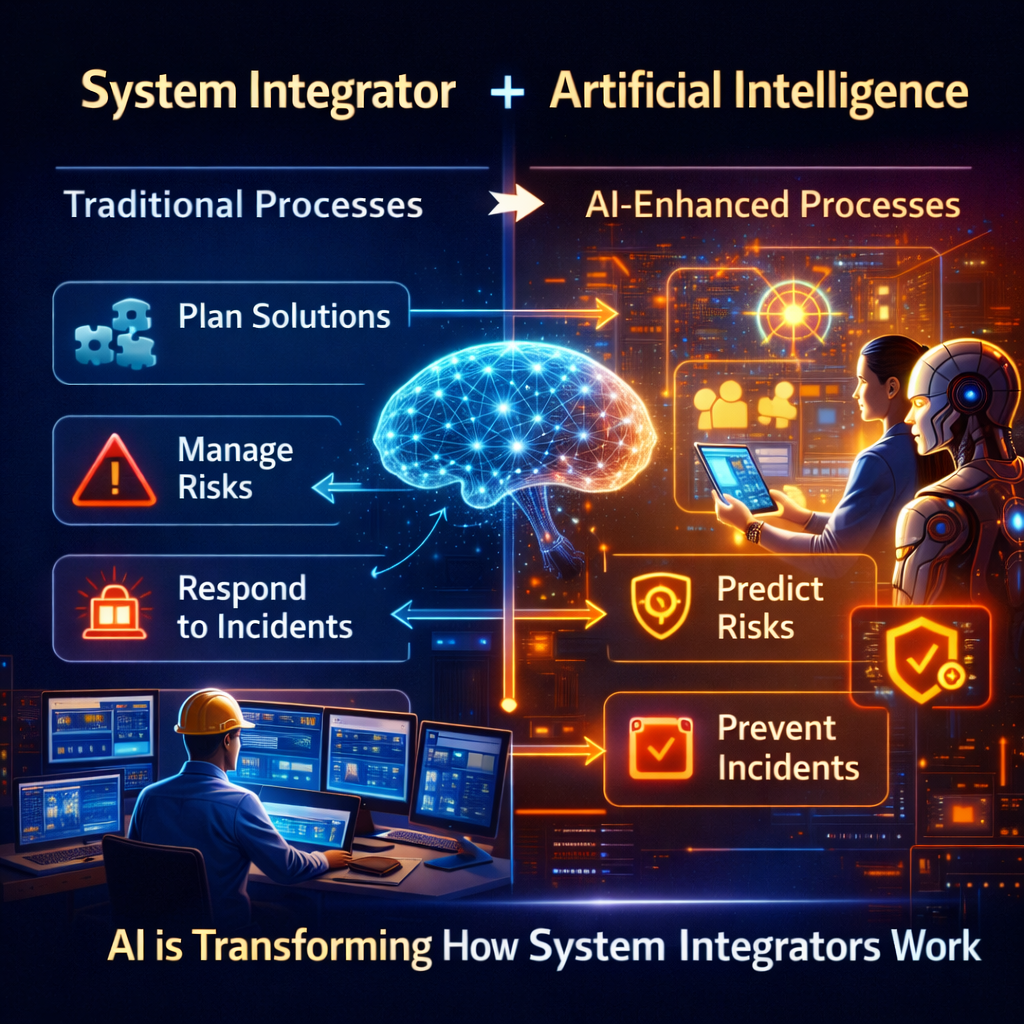
One large German system integrator told us about a presales situation during a European wide infrastructure rollout. In the past the lead architect would have designed the target architecture, named the risks from experience and defined the cost structure. This time an internal analysis system flagged three recurring escalation points from similar projects. User adoption after migration, performance issues in hybrid environments and a specific security architecture that had repeatedly caused operational friction. The architect still wanted to sell the classic solution, sales wanted to keep the offer lean, and the system quietly suggested that the probability of escalation with that setup was around forty percent. What changed was not that the system decided anything, but that the discussion itself shifted. It was no longer about whether something felt possible but about why a known risk should be ignored. Presales became less about storytelling and more about justification.
A CTO from an industrial group described a large integration project that formally looked stable. All milestones were green, deliverables were accepted, nothing was visibly wrong. A pattern based monitoring system, however, showed something different. Response times between teams were increasing, the number of clarifying questions was rising and the quality of handovers was slowly declining. The system flagged this pattern as highly correlated with later escalation. The project lead was skeptical because nothing had officially failed, but he still intervened early. He reduced scope, deliberately slowed one milestone and brought key stakeholders in sooner. The project slipped slightly but never escalated. What would once have been called luck is now understood as visibility.
In a large security operations center we heard something that at first sounded like success. Ticket volume had dropped by almost half because classification and anomaly detection were now largely automated. But the remaining tickets were far more complex. Routine incidents disappeared and what remained were the ambiguous, high impact, context heavy cases. The head of the SOC told us that his team felt less busy but more mentally strained because every case now mattered. The job became more valuable and more demanding at the same time.We also see customers doing more themselves. With low code tools, cloud services and AI assistants many companies build things internally that would previously have required an integrator. But they increasingly come back not with technical questions but with strategic ones. Is what we built actually sustainable. Is it stable over time. Is it creating dependencies we do not yet see. Integrators are less often asked to build and more often asked to interpret.
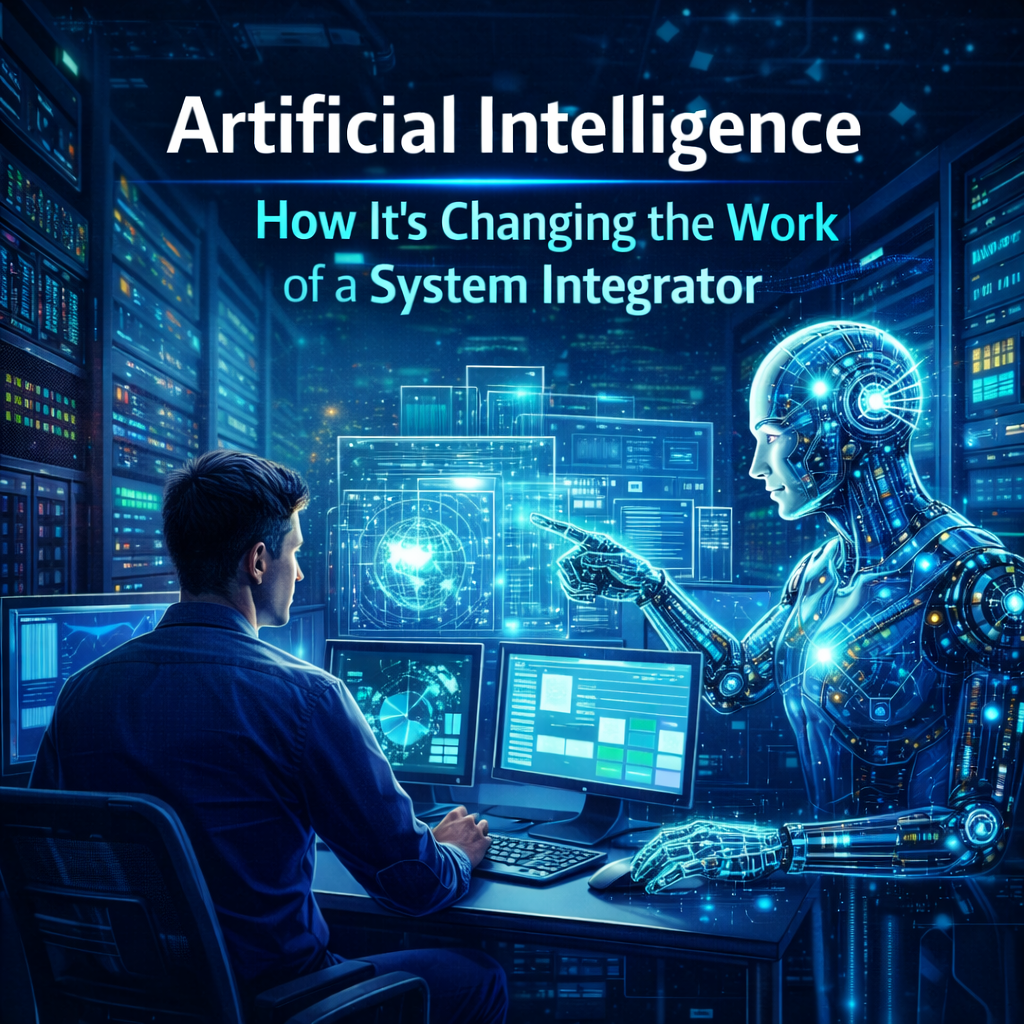
The same shift is visible in Modern Workplace projects. Customers are less interested in devices and tools and more in focus, productivity and friction reduction. AI driven prioritization and filtering changes not only workflows but also how people perceive work. One customer even paused a rollout because they felt employees were starting to follow systems instead of thinking with them. The integrator was not asked to explain technology but to explain impact.Across all these conversations a clear pattern emerges. Artificial Intelligence does not replace system integrators. It exposes their old role and sharpens their new one. Value no longer lies primarily in implementation but in interpretation. Integrators become less technicians and more translators of complexity. That is uncomfortable because interpretation is harder to sell, harder to measure and harder to scale. But it is also what is increasingly needed.
AI changes the system integrator business not through products but through transparency. It reveals risks earlier, it shows patterns that were previously invisible and it forces organizations to decide sooner and more consciously. It does not take responsibility away from humans. It makes that responsibility explicit.The system integrators that will remain relevant are not the ones who sell the most AI. They are the ones who can best explain when to trust it and when not to. And that is where the new core of this business is quietly forming. Not in technology itself but in judgment about it.