Before the Cloud: When IT Lived in Basements — And Why Everything Moved Up

For a long time, IT was not a service, not a platform and not an ecosystem. It was a room. A room with air conditioning, raised floors, loud fans and blinking LEDs. IT meant hardware, racks, cables, power, backup tapes and administrators on night shifts. We did not call it on premise because there was […]
What is Cloud? How Cloud Computing Quietly Rewired the Digital World
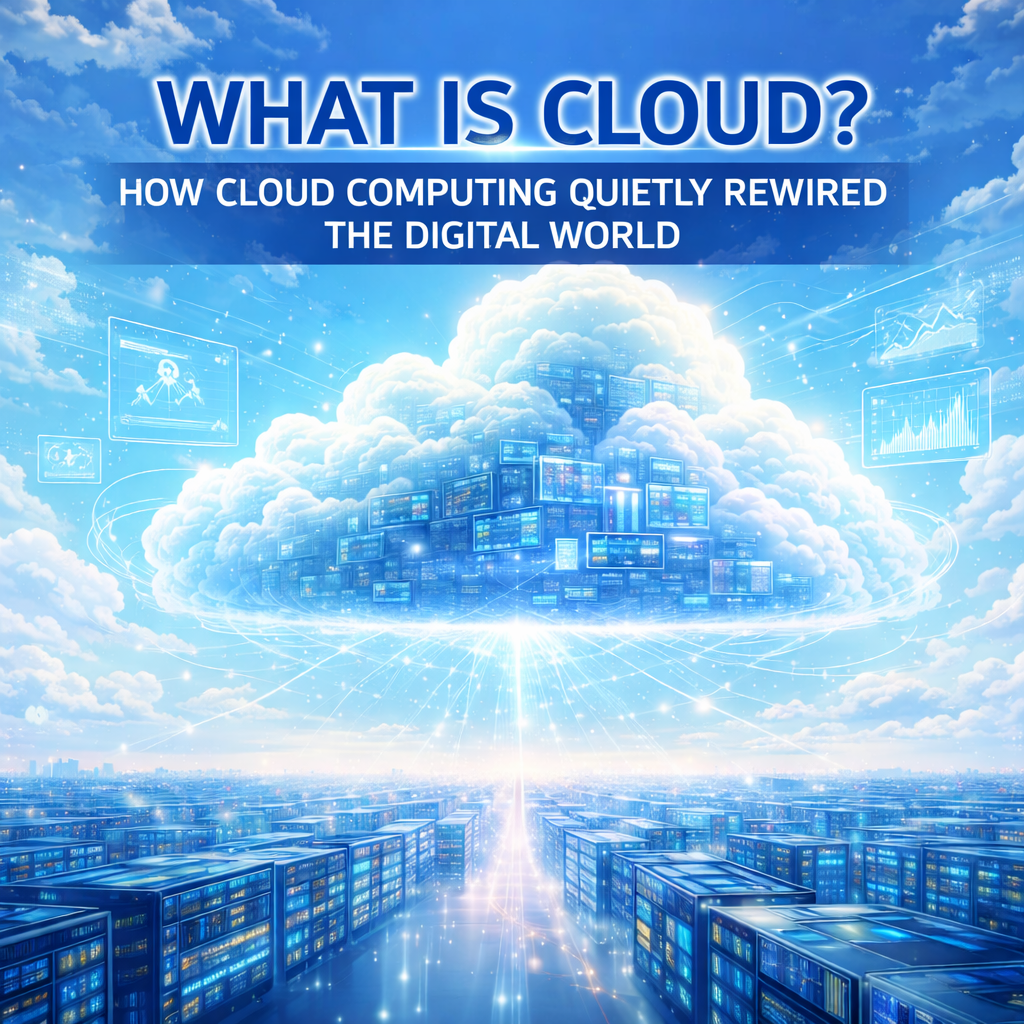
Cloud is not a product. Cloud is not a place. And cloud is not a single provider. Cloud is a way of organizing, delivering and consuming computing power, storage and software without owning or physically operating it. That is its real significance. It moved computing from something local and tangible into something abstract, flexible and […]
When Code Poisoned a River – How the first cyberattack on infrastructure became an environmental crime
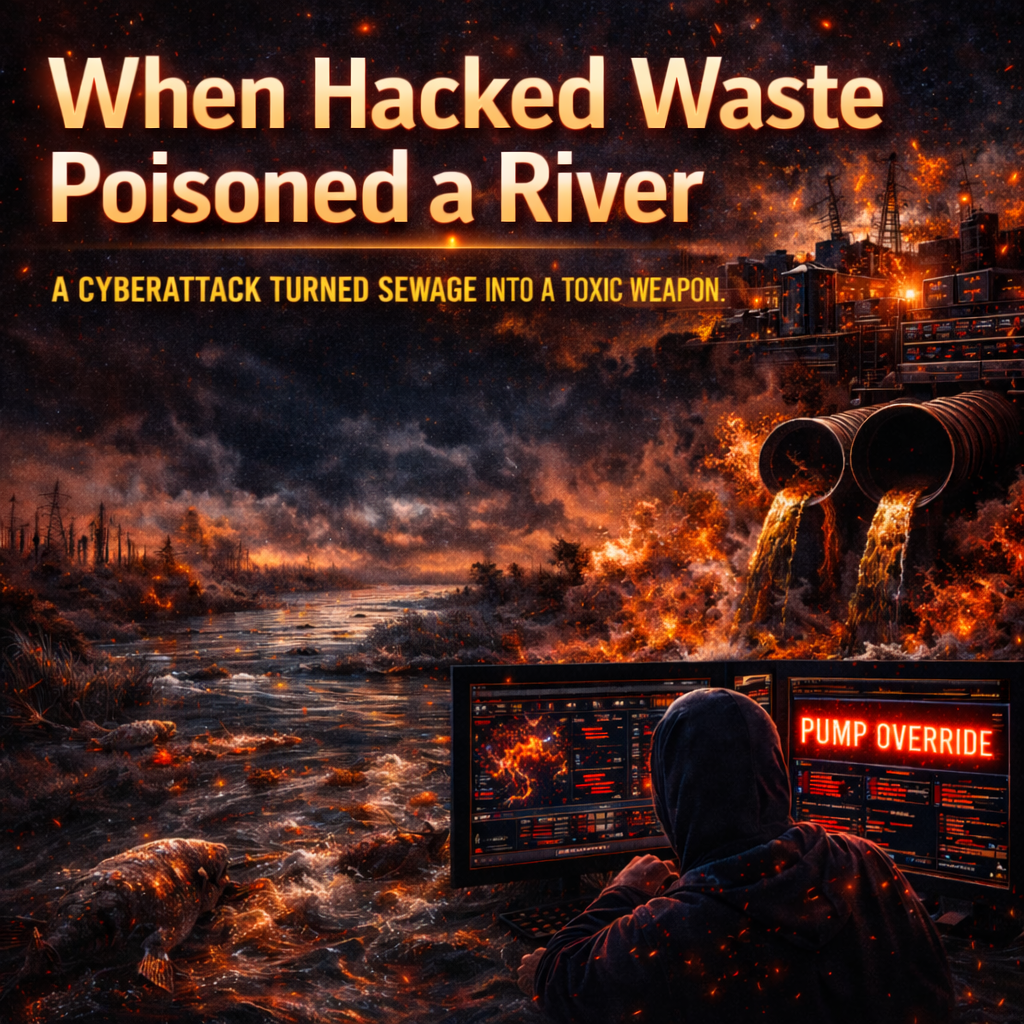
This is another article in Darkgate’s series on real cyberattacks that did not live in slide decks or strategy papers but actually happened. Attacks that did not steal data or lock screens but changed something in the real world. Not to make money. Not to spy. But to interfere. To disrupt. To cause damage where […]
When Space Goes Dark
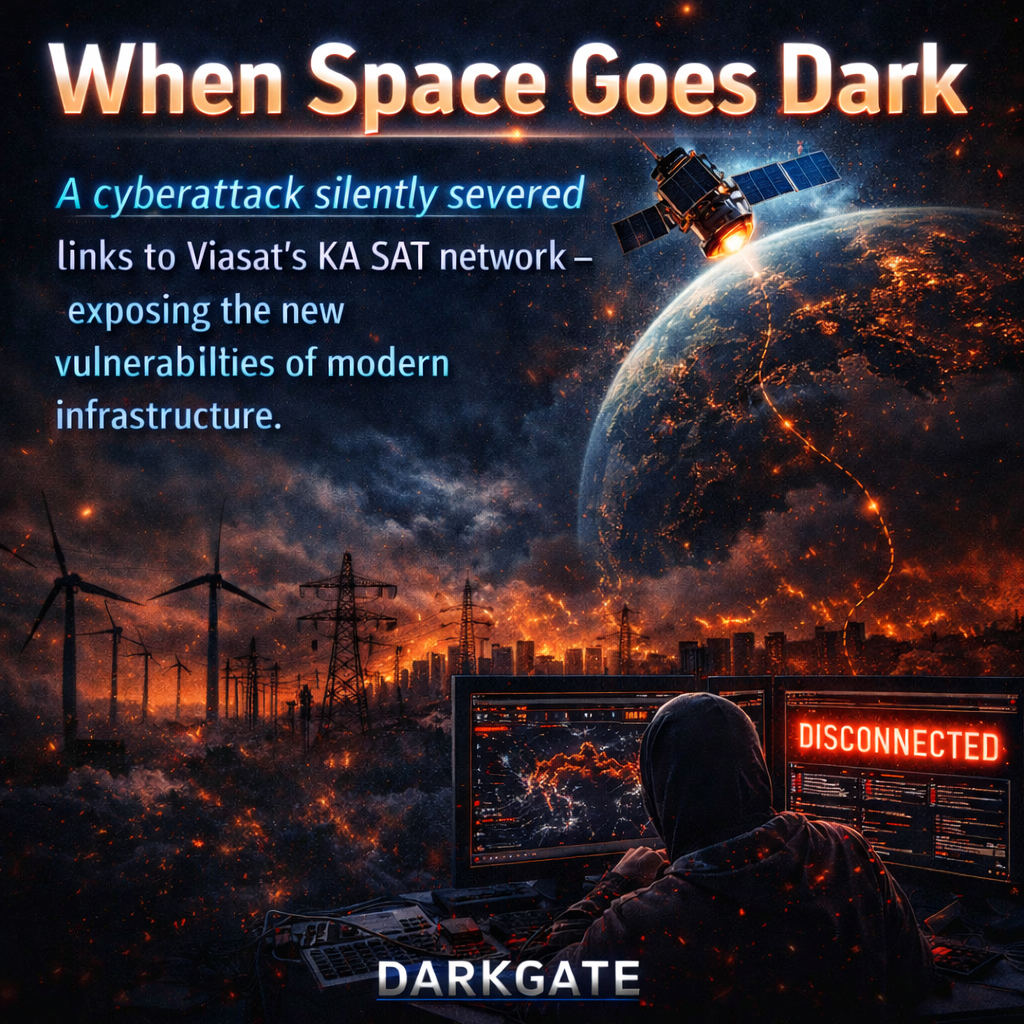
This is another Darkgate article dedicated to real cyberattacks that did not live in slide decks or strategy papers but actually happened. Attacks that did not steal files or lock screens but did something far more subtle. They disconnected things. They isolated systems. They exposed how fragile the technical skin has become that holds our […]
When a Password Stopped a Nation: The Colonial Pipeline Attack and the Fragility of Modern Supply Chains
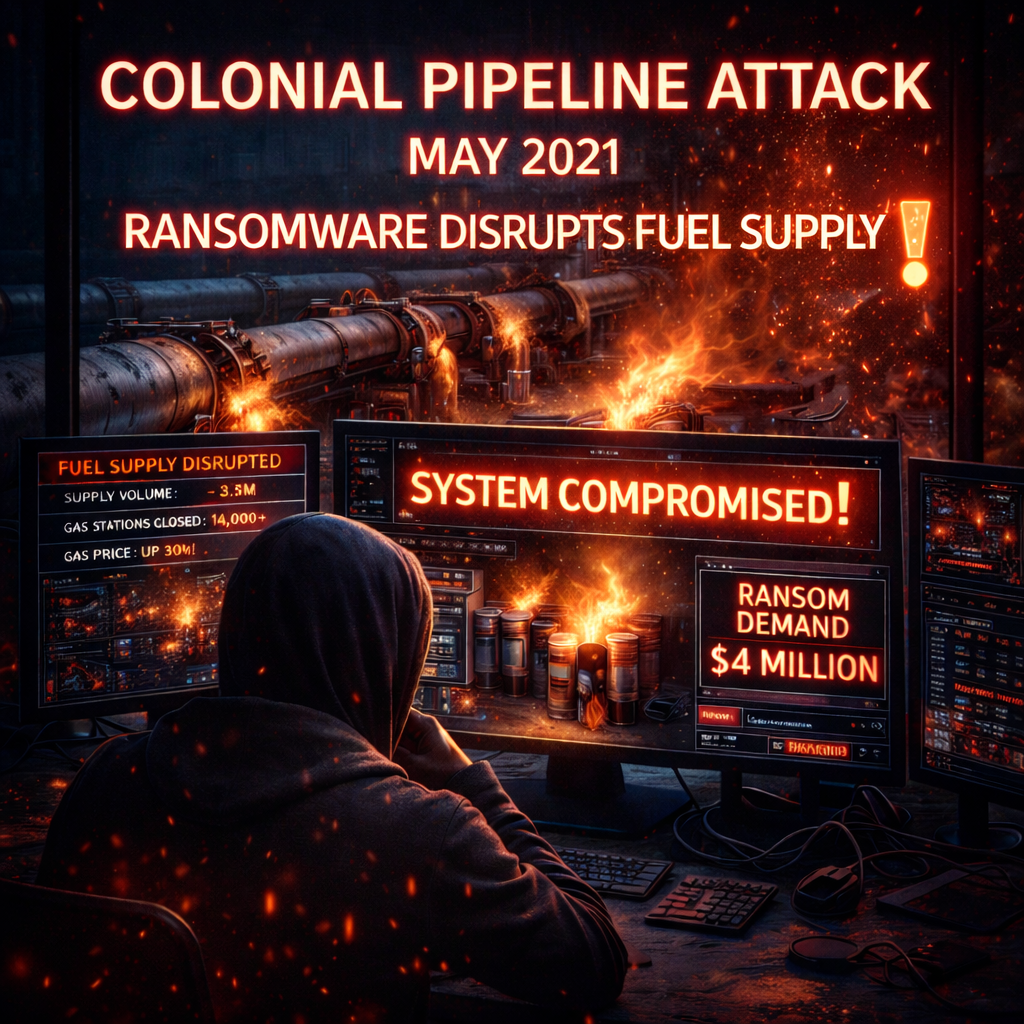
In May 2021, the United States did not experience a blackout. No refinery exploded, no valve was physically sabotaged, no control room was stormed. And yet, within days, large parts of the East Coast faced fuel shortages. Gas stations ran dry, prices surged, airlines reviewed contingency plans, and panic buying spread faster than any official […]
When the Lights Went Out: How the Ukraine Power Grid Attack Turned Cyber Risk Into Physical Reality
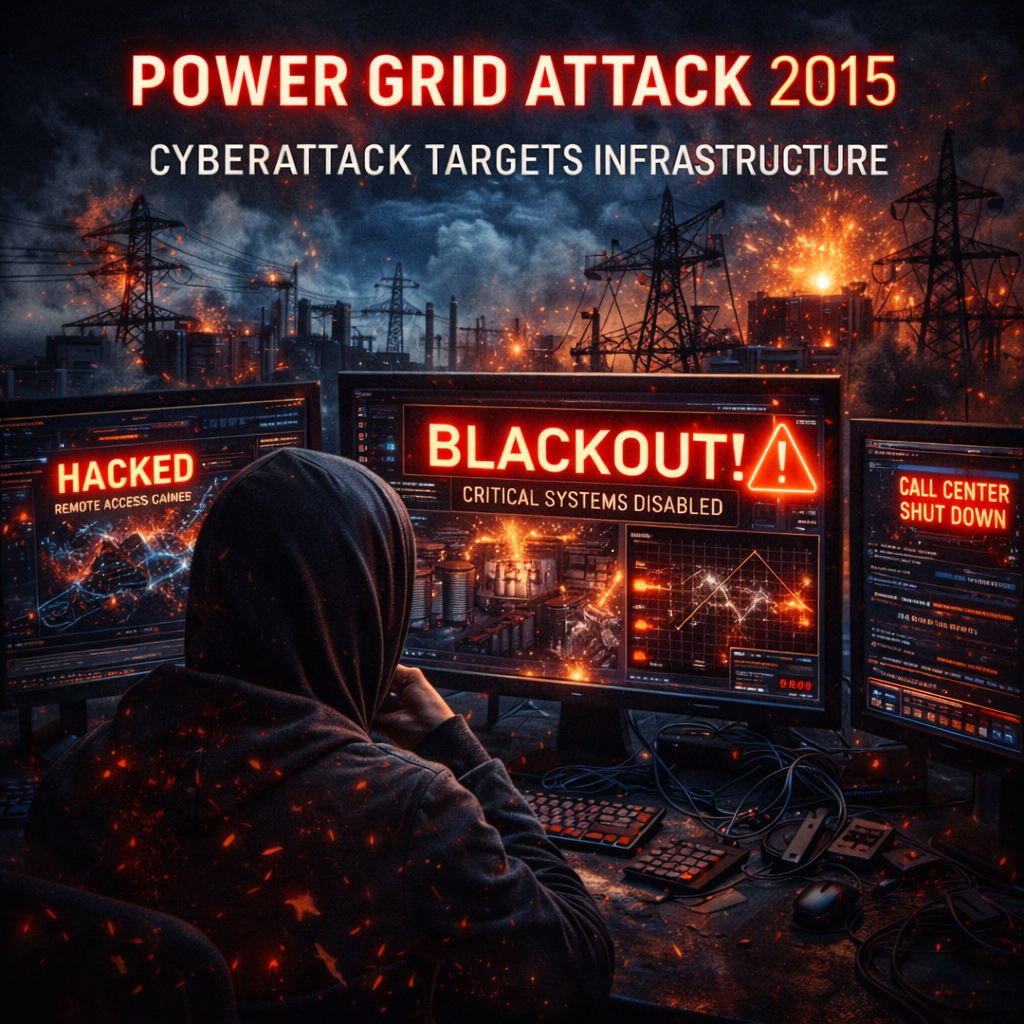
After Stuxnet, it became clear that industrial systems could be manipulated. Yet for a long time, there was still a sense of distance. Too complex, too specific, too exceptional. The attack on Ukraine’s power grid in the winter of 2015 ended that illusion. For the first time, it became publicly visible that a coordinated cyberattack […]
Stuxnet and the Moment Software Became a Weapon
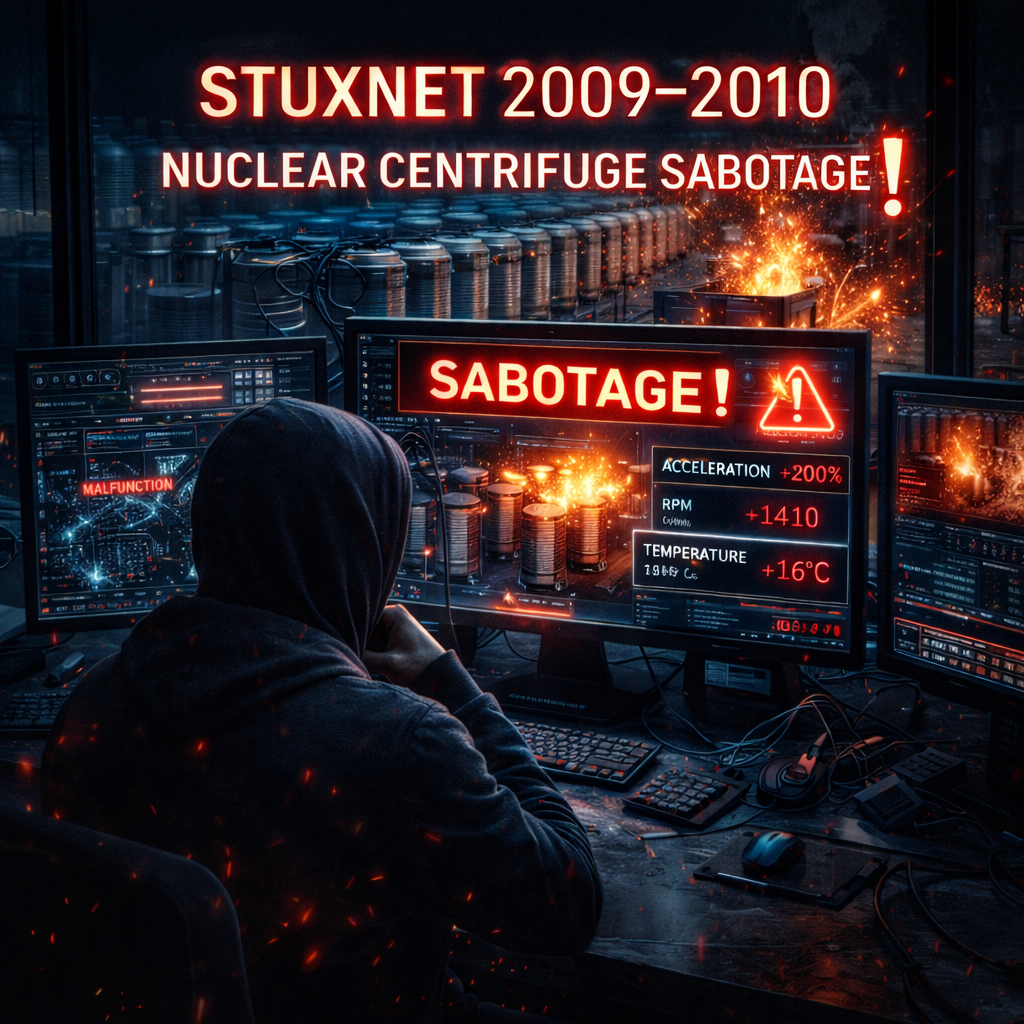
At Darkgate, we have been examining critical infrastructures, IT networks, and the often invisible dependencies of modern societies for years. Across our articles, we have repeatedly explored how attack surfaces are shifting, how influence is becoming more powerful than outright destruction, and why future attacks may no longer resemble what we traditionally understand as an […]
From Outage to Influence: How Future Attacks on Critical Infrastructure May Never Look Like Attacks
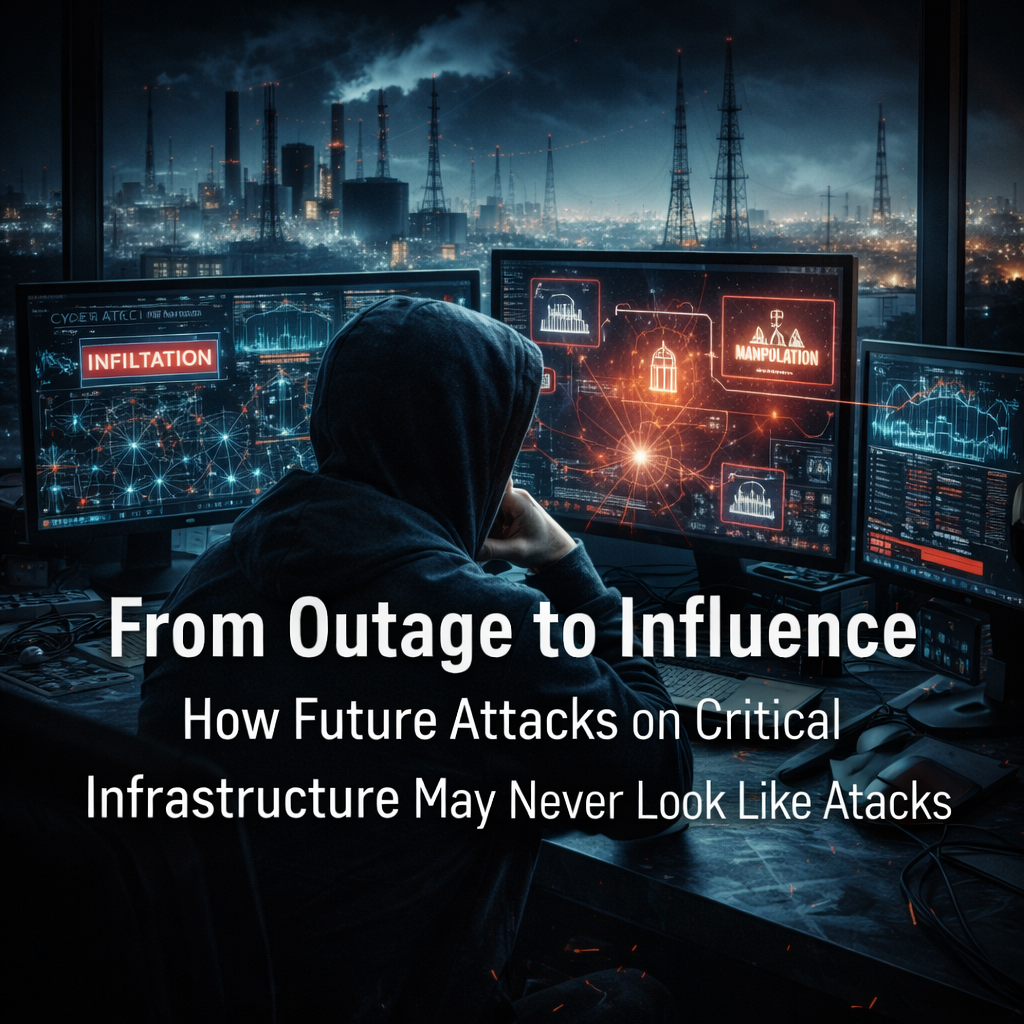
For years, attacks on critical infrastructure followed a familiar pattern. Systems went down. Screens went dark. Networks failed. Power grids collapsed. Water stopped flowing. The damage was visible, immediate, and unmistakable. That mental model still shapes how many organizations prepare for risk today. And it is increasingly outdated.Future attacks on critical infrastructure are unlikely to […]
KRITIS, IT Networks, and the Moment Infrastructure Became Political
For a long time, IT infrastructure was treated as a purely operational layer. Networks had to be stable, performant, and largely invisible. As long as systems kept running, few questions were asked beyond the technical teams. That perception has fundamentally changed. Today, it is evident that IT and network infrastructure are no longer just technical […]
From Ownership to Access: How Subscription Models Are Redefining IT, Business and Everyday Life

Long before subscription models reshaped IT, they had already become part of everyday life. Music stopped being bought and started being streamed. Films were no longer collected but accessed on demand. Software was no longer installed once and owned forever but continuously used. What initially appeared as a convenient consumption model for individuals gradually evolved […]